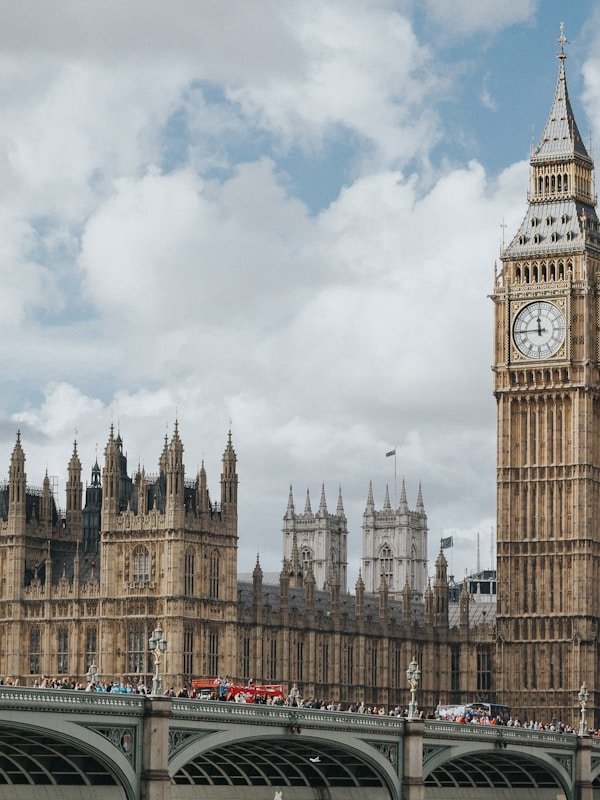
This page is for Gulf residents — expats and Gulf nationals alike — who are weighing the UK against France and want a clear, practical comparison before committing to either. We cover the visa reality for applicants based in Saudi Arabia and across the GCC, what each destination actually delivers for different travel styles, how the timings stack up against school holidays and national day breaks, and why most families end up choosing one before the other rather than combining both. If you want help booking either trip from Riyadh, Jeddah, Dammam, or anywhere else in the Gulf, we handle the logistics end to end.
- UK and France require entirely separate visa applications — understand the difference before you plan
- Honest comparison of what each destination delivers for families, couples, and first-time Europe visitors
- Practical guidance on applying from Saudi Arabia and other Gulf countries as a third-country national
- Best travel windows aligned with Gulf school holidays and national day breaks
- Full trip coordination: hotels, transfers, guides, and visa document support
UK vs France: A Realistic Overview for Gulf Travellers
France is the world's most visited country, and the UK is one of the most recognisable travel destinations on the planet. For Gulf residents, both are genuinely excellent choices — but the path to each one is different enough that treating them as interchangeable options is a mistake most people only make once. France sits inside the Schengen zone. A Schengen short-stay visa lets you move freely across 27 European countries for up to 90 days in any 180-day period. France is one of the most commonly used Schengen entry points, and the French consulate in Saudi Arabia and other Gulf countries processes these applications regularly. The UK operates its own visa system, entirely separate from the EU. Brexit ended the UK's participation in Schengen. A UK Standard Visitor Visa is a standalone application with its own documentation, its own fees, and its own processing timeline. The practical implication: if you want both cities in one trip, you are managing two visa processes in parallel. Most Gulf travellers either pick one for their current trip and plan the other for later, or they build a longer itinerary that justifies the dual application effort. Both approaches make sense — it depends on your available days, your group, and what you actually want from the trip.
Applying from Saudi Arabia: What Changes When You Are Not Applying from Your Home Country
This is the part most generic travel content skips entirely. Gulf residents applying for either a Schengen visa or a UK visa are in a different position than someone applying from their passport country. As a third-country national — meaning you hold one passport but are resident in Saudi Arabia, Qatar, the UAE, Kuwait, Bahrain, Oman, or elsewhere in the GCC — your application is assessed under different rules, requires different supporting documents, and in some cases must be submitted to a different consulate or visa application centre than you might expect. For Schengen, your Saudi Arabia residency (iqama) plays a role in where you apply and what proof of ties you need to demonstrate. For the UK, your residency status and employment documentation in the Gulf are central parts of the application file. Both systems want to see that you have genuine reasons to return after your visit. A well-assembled application from a Gulf-based expat on a strong employment contract actually performs well — but the documentation requirements are specific, and submitting an incomplete file is the most common reason for delays and refusals. Visa rules change. We confirm current requirements for your nationality and residency status before you commit to anything. The nationalities in our client base span dozens of passport countries — British, American, Indian, Pakistani, Filipino, South African, Lebanese, Egyptian, and many others — each with their own visa-free or visa-required status for both the UK and France. There is no single answer that applies to everyone.
What Our Package Covers
Our UK and France trip packages are built around taking the planning off your plate. We coordinate everything from the pre-departure document review to the last transfer. You focus on the trip; we handle the logistics that would otherwise take weeks of back-and-forth.
- Hotel selection and booking in London or Paris (or both, for combined itineraries)
- Airport transfers at both ends, including from Gulf departure airports
- English-speaking guide or escort arrangements where applicable
- Visa application document review and preparation support
- Full pre-departure briefing on entry requirements specific to your nationality and Gulf residency
- Itinerary planning built around your available dates, school holidays, or public holiday windows
- 24-hour contact during the trip for any changes or issues
Why Book This Instead of Arranging It Yourself
Visa support from the Gulf: We prepare and review your application documents for your specific nationality and Saudi Arabia or GCC residency status — not a generic checklist, but a file built for your situation. Third-country national applications have specific requirements that generic travel agencies often miss.
Same time zone, local accountability: We are based in Saudi Arabia. When you have a question about a UK entry requirement or a last-minute Paris hotel change, you are not waiting for a call centre in another time zone to open. You call the same number you booked through.
School holiday and national day timing: We plan around the Gulf school calendar — international schools in Riyadh, Jeddah, and Dubai all follow similar break patterns. If you need to travel during Founding Day, Eid, or the summer window, we know which dates book up fast and how early you need to move.
One trip, two countries handled: For travellers who want both London and Paris, we manage the combined itinerary — two visa applications, two hotel programmes, and the cross-channel logistics — as one package, not two separate bookings stitched together.
Best Time to Go
For France, the shoulder seasons — April to early June, and September to October — offer better hotel availability and more comfortable sightseeing conditions than the July and August peak. Paris in July is crowded and expensive. The French national holiday on 14 July draws visitors but also closes many smaller museums and services. Spring in Paris, when the weather is mild and the school holiday crowds from the Gulf have not yet arrived in force, is genuinely the best window for an unhurried trip.
For the UK, the weather is less predictable year-round, but May, June, and early September offer the best odds of reasonable conditions. London functions perfectly well in grey weather — the museums, galleries, and theatre scene are entirely indoor experiences — so a UK trip is less weather-dependent than beach or outdoor-focused destinations. The key timing consideration for Gulf travellers is aligning with the school holiday windows: Saudi Arabia's international school summer break typically runs from late June through August, which overlaps neatly with the UK's own summer season. For a less crowded London experience, the October half-term window is strong — cooler, but manageable, and noticeably calmer than peak summer.
Practical Notes for Gulf Residents
Visa and residency: UK Standard Visitor Visa and French Schengen visa are entirely separate applications. Requirements depend on both your passport nationality and your Gulf country of residence — Saudi Arabia, UAE, Qatar, Kuwait, Bahrain, Oman each have their own processing locations and timelines. Start the visa process at least 6-8 weeks before travel; UK processing in particular can extend during busy periods.
Flight time from the Gulf: From Riyadh (RUH), Jeddah (JED), and Dammam (DMM), both London and Paris are roughly 6-8 hours. From Dubai (DXB) and Doha (DOH), similar or slightly shorter. Flight options to Paris (CDG) and London (LHR or LGW) are generally good from all major Gulf hubs, though availability during school holiday peaks tightens quickly.
Currency: The UK uses British pounds sterling; France uses euros. Card payments are widely accepted in both countries, but having some local currency on arrival for taxis and small purchases is sensible. Exchange or withdraw after landing rather than at Gulf airport exchange counters for better rates.
Entry beyond the visa: A valid visa is not the only entry requirement. UK border officers and French border officers at CDG both exercise discretion. Carry your return or onward ticket, your Gulf residency document, and your hotel confirmation. For families, ensure children's documentation matches the group's travel documents exactly.
Combining UK and France: A combined trip is possible but requires careful planning. The Eurostar train between London and Paris (roughly 2.5 hours city centre to city centre) is the standard connection. Managing two visa categories on one itinerary means your file needs to be assembled carefully — which departure airport you use and which visa you apply to first both have implications for your application.
UK vs France from Saudi Arabia: Which Should You Visit First: Common Questions From Gulf Residents
The UK and France are both achievable from Saudi Arabia and across the Gulf — but they require different preparation, different visa applications, and benefit from different approaches depending on your group and your timeline. Getting the visa file right from a Gulf residency position is where most independent attempts run into problems. We handle both destinations regularly for clients departing from Riyadh, Jeddah, Dammam, Dubai, Doha, and beyond. If you want to discuss the right option for your situation — one country or both, school holiday timing, or how to build the strongest application file — reach out on WhatsApp and we will give you a straight answer.