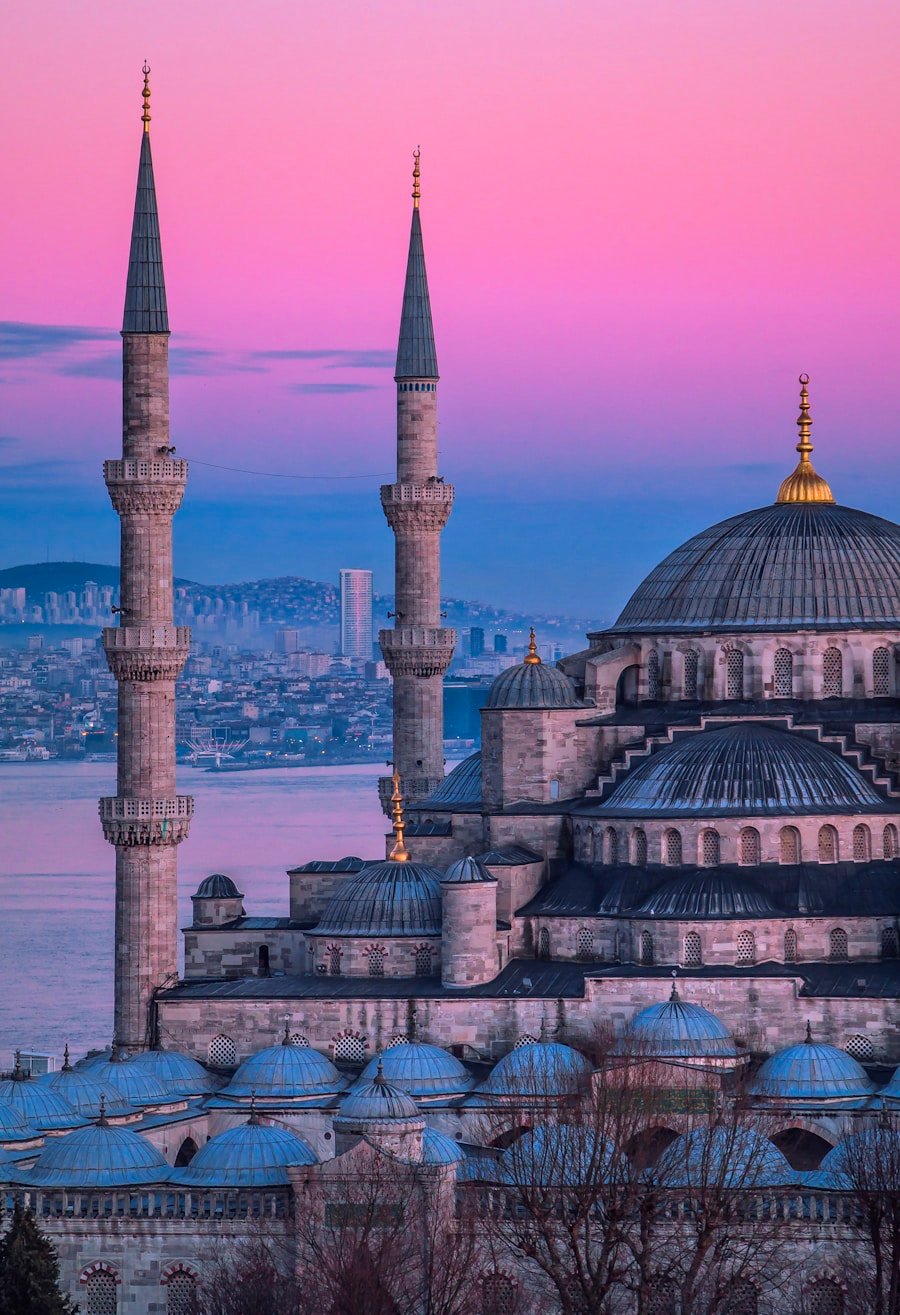
This page is for Gulf residents — both expats and nationals — choosing between Turkey and Morocco for their next international trip. The two destinations overlap in reputation but differ significantly in logistics, visa requirements, travel time from Gulf airports, and the kind of experience they deliver. We compare them across the factors that matter to Gulf-based travellers: realistic trip length, what your residency status means for visa requirements, which school holiday windows align with the best travel seasons, and what a properly planned package covers for each.
- Honest comparison of Turkey and Morocco across logistics, visa, and experience
- Flight times and travel realities from Gulf departure airports
- Visa requirements by passport and residency status — not just nationality
- Best seasons aligned with Gulf school holiday calendars
- Package options for both destinations, planned and operated from the Gulf
Overview: Turkey and Morocco Side by Side
Turkey and Morocco are both strong choices from the Gulf, but they suit different trips and different travellers. Turkey — Istanbul specifically — is one of the most logistically straightforward international destinations available from this region. Flight times from Riyadh, Jeddah, or Dubai run around 3-4 hours. Most Western passport holders can obtain a Turkish e-visa online without visiting a consulate. Istanbul fills five productive days on its own; add Cappadocia and you have a complete week without overstretching. Morocco demands more time and more planning. A proper circuit covering Marrakech, Fes, and the Sahara realistically takes 8-10 days. Getting between cities is part of the experience, not a logistical inconvenience. Arabic is spoken throughout, which is a genuine practical advantage for Gulf nationals and for an agency whose staff are Arabic speakers. The honest answer to which trip is better is that it depends on how many days you have and what kind of experience you are looking for — not on which destination has the better reputation.
The Logistics That Actually Decide the Choice
The most common reason Gulf expats favour Turkey for shorter trips is the e-visa. For Americans, British nationals, Europeans, and Australians, the application takes a few minutes online and approval is typically rapid. What many applicants do not check is that your Gulf residency address is part of the application and can occasionally affect processing. Visa rules change. We confirm current requirements for your nationality and residency status before you commit to anything. Morocco is visa-free for citizens of most Western countries and for all GCC nationals — but the conditions vary by nationality and do change. Travellers on South Asian, Southeast Asian, or some African passports cannot assume visa-free entry, and Gulf residency status can affect how arrival is handled at Moroccan borders. This is not a reason to avoid Morocco, but it is a reason to check before booking. Beyond visas, Turkey's infrastructure is more immediately familiar to most Western travellers. International hotel brands operate in Istanbul, tourist routes are well marked, and English is commonly spoken in the main areas. Morocco is different in character. The medinas of Fes and Marrakech are not designed for easy navigation — that is part of what makes them worth visiting — but it means the quality of your experience depends heavily on having a guide who knows the city at street level, not just the landmarks. That gap between an independent trip and a properly guided one is larger in Morocco than in almost any other destination at this price point, and it is the single strongest argument for using a Gulf-based agency rather than piecing the trip together yourself.
What Our Package Covers
Both Turkey and Morocco packages cover the logistics that turn a good destination into a good trip — from the first flights coordination call to the final transfer back to your Gulf departure airport. Here is what is included in either package.
- Flights coordination from your Gulf airport (RUH, JED, DMM, DXB, DOH, KWI, BAH, or MCT)
- Hotel accommodation throughout — Istanbul and Cappadocia for Turkey, or Marrakech, Fes, and a Sahara camp for Morocco
- Private airport and inter-city transfers
- English-speaking guide for city tours, site visits, and day excursions
- Arabic-speaking staff coordination for Morocco itineraries — a practical advantage that extends well beyond tourist areas
- Visa documentation review before you confirm any booking
- Direct contact during travel for any last-minute changes or disruptions
Why Book This Instead of Arranging It Yourself
Visa paperwork checked before you pay: The e-visa requirements for Turkey and the entry conditions for Morocco both depend on your specific passport and Gulf residency combination. We verify the exact requirements before any payment is made — not after you have already committed to dates.
Arabic-speaking team for Morocco: Our staff are Arabic speakers, which matters practically in Morocco beyond the tourist surface. Riad coordination, routing decisions in the medinas, and contacts outside the main sites all benefit from it in ways an English-only agency cannot replicate.
Itineraries built around Gulf school calendars: Both trips are planned around realistic Gulf holiday windows — spring half-term, Eid breaks, and October half-term — not ideal-world travel calendars that assume three weeks of annual leave.
Same time zone, local accountability: We are based in the Gulf, operate in local currency, and are reachable during Gulf business hours. If something changes mid-trip, you are not waiting for a European operator to open.
Best Time to Go
For Turkey, April through June and September through October are the most reliable windows. Istanbul is pleasant year-round but spring brings comfortable temperatures and manageable crowds before the July-August peak. Cappadocia works in most seasons — October delivers the best combination of cooler walking conditions and generally more stable weather for hot-air balloon flights, which are weather-dependent and not guaranteed on any given morning. From the Gulf school calendar, spring half-term and October half-term both align cleanly with Turkey's shoulder season, making it one of the easier destinations to time well from this region.
Morocco in summer is a different matter. Marrakech regularly exceeds 40°C in July and August, and the Sahara in that period is extreme. The best months are October through December and February through April — Morocco's cooler, drier season when the desert is comfortable for an overnight camp and the medinas are at their most vivid. Eid breaks and spring half-term from Gulf international schools fall squarely within Morocco's ideal travel window. If a Sahara night stay is part of the plan, October and March are the two months most consistently requested, and the reasons are straightforward: manageable temperatures and minimal rain.
Practical Notes for Gulf Residents
Visa and entry — Turkey: Turkey's e-visa is available to most Western passport holders online, but eligibility and fees are determined by passport nationality. Your Gulf residency is listed on the application. Visa rules change. We confirm current requirements for your nationality and residency status before you commit to anything.
Visa and entry — Morocco: Morocco is visa-free for citizens of most Western countries and all GCC nationals, but entry conditions vary by nationality and do change. Holders of South Asian, Southeast Asian, and some African passports should verify requirements specifically — Gulf residency does not automatically simplify entry.
Flight times from Gulf airports: Turkey is around 3-4 hours from Riyadh (RUH), Jeddah (JED), or Dubai (DXB). Morocco typically involves a connection; total journey time from Saudi Gulf airports runs around 7-9 hours depending on routing and connection time.
Trip length needed: Istanbul alone works in 4-5 days. Istanbul plus Cappadocia needs 7-8 days. A proper Morocco circuit — Marrakech, Fes, and the Sahara — needs 8-10 days to avoid spending the majority of your time in transit between cities.
Families with children: Turkey, specifically Istanbul, is more immediately accessible with younger children: shorter flight, familiar food options, and a compact city-based itinerary. Morocco works very well for families with older children who engage with longer drives, souks, and more immersive environments.
Turkey vs Morocco: Which Trip Is Better for Gulf Expats: Common Questions From Gulf Residents
Turkey and Morocco are two of the most consistently requested destinations from the Gulf for a reason — both deliver genuinely strong experiences. The decision almost always comes down to available days and the kind of trip you want. A week in Istanbul and Cappadocia is a fundamentally different holiday from nine days across Marrakech, Fes, and the Sahara. We can put together both options with real itineraries, honest seasonal advice, and costs based on your actual departure airport and passport situation — so the comparison is specific to you, not a generic average.