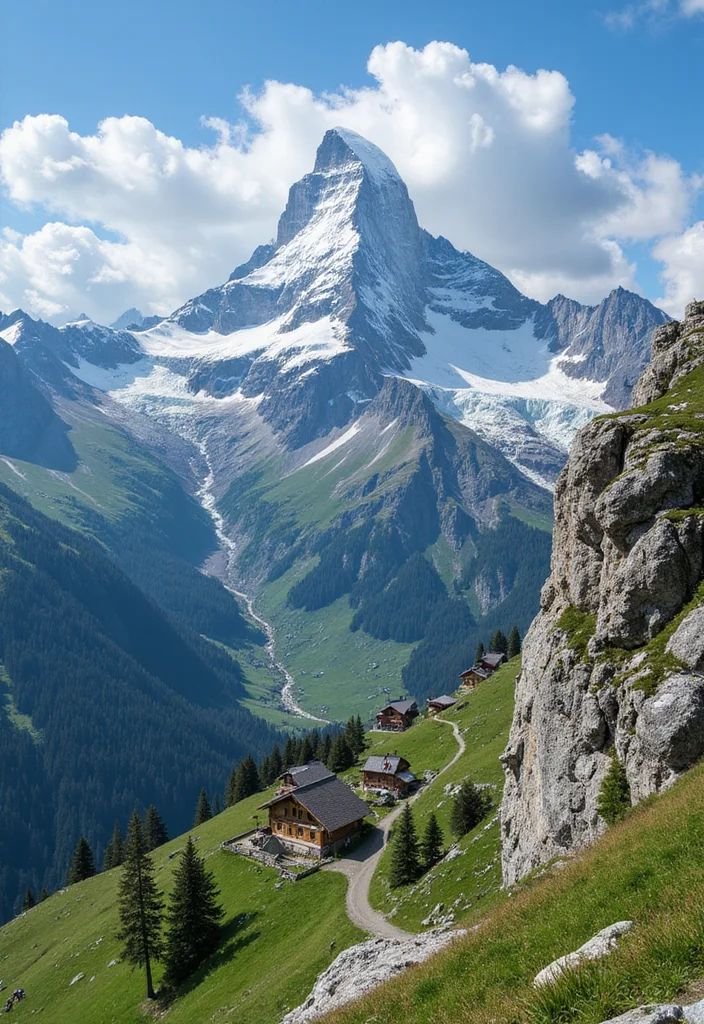
This page is for Gulf residents deciding between a Norway trip and a Sweden trip — or figuring out whether to combine both. We cover the real differences in experience, cost, and logistics; the Schengen visa process as it applies from a Gulf residency permit rather than a home-country address; the right season for what you want to see; and what a Khobraa Travels Scandinavia package actually includes. The aim is a specific answer, not a generic overview that leaves you where you started.
- Norway vs Sweden: what each country actually delivers for Gulf families and couples
- Schengen visa requirements for Gulf residents applying as third-country nationals
- Best months to visit by season — midnight sun, Northern Lights, or city breaks
- What a Scandinavia package from Khobraa Travels covers end to end
- Honest cost context: where the budget goes and what catches people by surprise
Norway vs Sweden: An Honest Overview for Gulf Residents
Norway and Sweden share a long border, are both part of the Schengen area, and are frequently mentioned together. For trip planning purposes, they are quite different. Norway is defined by natural scale. The fjords — Geirangerfjord, Nærøyfjord, Sognefjord — are what most people mean when they say they want to visit. Pair them with Bergen, the Flåm railway, and a few days in Oslo and you have a coherent 10-day itinerary with genuine depth. In winter, Tromsø is the primary destination for Northern Lights. In summer, the midnight sun and fjord cruises draw Gulf families during school holidays. Sweden is more urban, more accessible by design, and slightly more manageable in cost. Stockholm is one of the most consistently well-preserved capital cities in Europe. Gothenburg adds a quieter counterpoint. Kiruna in Swedish Lapland — home to the Icehotel — is a genuine winter draw for families who have exhausted beach holidays and want something categorically different. For Gulf families with older children, the choice is often nature (Norway) versus culture plus city (Sweden). For couples or professionals on a shorter trip, Sweden is easier to cover well in 7 days without the logistics overhead that Norway's outdoor itineraries require.
The Schengen Process From a Gulf Address — and Where the Real Complexity Is
The Schengen visa is where most Gulf residents hit their first question. Both Norway and Sweden fall under Schengen — Norway via the European Economic Area rather than the EU, which has no practical impact on the visa process but creates confusion when people research independently and find inconsistent sources. What does matter: your application is assessed based on both your nationality and your country of residence. A British passport holder living in Saudi Arabia applies differently than one applying from the UK. A South Asian passport holder resident in Qatar has different documentation requirements than one applying from their home country. Consular jurisdiction, required financial proof, and processing timelines all depend on this combination. For a combined Norway and Sweden trip, you apply to the consulate of the country where you will spend the most nights. Getting this wrong at the application stage costs time, not just a rejection fee. Some Gulf cities have a shared Schengen visa centre covering multiple countries; others split processing. The specifics depend on where you are based. Visa rules change. We confirm current requirements for your nationality and residency status before you commit to anything. The other layer of complexity is Norway's internal logistics. The fjord regions require sequenced transfers — ferry segments, mountain roads, and rail connections — that work well when planned as a system and waste significant time when booked piecemeal. Cost also concentrates here: accommodation in Tromsø during Northern Lights season and transfers in the western fjords are not cheap, and a budget built without understanding where the cost sits leads to difficult conversations mid-trip.
What Our Package Covers
Our Scandinavia packages are built around your specific travel window — summer midnight sun or winter Northern Lights — and include the documentation groundwork before any money moves. We handle the routing decisions, visa coordination, and on-ground sequencing so you arrive with everything confirmed.
- Return flight coordination from Gulf departure airports (Riyadh RUH, Jeddah JED, Dubai DXB, Doha DOH, and others)
- Hotel selection and booking in Oslo, Bergen, Stockholm, Tromsø, or Kiruna depending on your itinerary
- All internal transfers including fjord ferry segments, scenic rail connections, and airport-to-hotel runs
- English-speaking guide for key excursions and outdoor segments
- Full Schengen visa support: document checklist, correct consulate identification, and application coordination
- Itinerary review call before departure to confirm all segments and answer final questions
Why Book This Instead of Arranging It Yourself
Schengen from a Gulf address: Applying as a third-country national adds steps that most online guides don't cover. We've handled this process for multiple nationalities holding Gulf residency permits across different Schengen countries, including Norway and Sweden.
Norway's logistics need sequencing: The fjord regions require transfers in the right order — getting the sequence wrong means backtracking or wasted travel days inside the country. We build the route once, correctly, before you arrive.
Winter availability closes fast: Northern Lights season in Tromsø and the Icehotel near Kiruna both book out well ahead of peak months. We confirm availability and hold options before asking you to commit to dates.
One contact, your time zone: Pay in local currency, deal with one point of contact based in the Gulf, and reach us during Gulf business hours — not during a European afternoon when you need a quick answer.
Best Time to Go
Norway has two seasons worth planning around deliberately. June through August is the midnight sun window: fjord routes are fully open, weather is reliable enough for outdoor days, and Bergen and the fjord villages are at their most accessible. This is when most Gulf families go, and accommodation in popular areas fills early — booking six months ahead is not overcautious. September through March is Northern Lights season, centred on Tromsø. January and February give the best statistical odds of clear skies and strong aurora activity, but temperatures regularly drop well below zero and travel in northern Norway in this period needs careful planning. March extends the window usefully as daylight returns.
Sweden's summer peaks in July and the first half of August, with Stockholm and Gothenburg both at their warmest and liveliest. June is excellent for Stockholm before peak crowds arrive. For the Icehotel near Kiruna — rebuilt each year from ice cut from the Torne River — the operational window runs from roughly late December through April. Winter in Stockholm itself is cold but workable, and late November has its own draw for families who want European Christmas markets during the school term break. The dates vary annually, so confirming the school calendar before booking is worth doing.
Practical Notes for Gulf Residents
Visa requirement: Both Norway and Sweden require a Schengen visa for most nationalities holding Gulf residency. For a combined trip, you apply to the consulate of the country where you will spend the most nights, or the country of first entry if nights are split equally.
Applying from the Gulf: Applications go through the Schengen visa application centre in your city of Gulf residence — not through a consulate in your home country. Your residency permit (Iqama or equivalent) is a central document in the application, alongside employment proof and a confirmed itinerary.
Processing time: Schengen applications typically take 15 calendar days from the biometrics appointment, but can extend to 45 days during busy periods. Summer departures from the Gulf should allow for this, particularly for families with school-holiday fixed dates.
Flight duration: Expect around 7 to 8 hours from Riyadh (RUH), Jeddah (JED), or Dubai (DXB) to Oslo or Stockholm, typically with one connection. From Doha (DOH), Bahrain (BAH), Kuwait City (KWI), or Muscat (MCT), travel times are broadly similar.
Currency: Norway uses the Norwegian Krone (NOK) and Sweden uses the Swedish Krona (SEK) — neither uses euros. Cards are accepted almost everywhere in both countries; cash is rarely necessary.
Cold-weather packing: Gulf residents frequently underestimate Scandinavian winter temperatures. Tromsø in January averages well below zero. Layering systems rather than a single heavy coat are more practical; we include a specific packing note in every winter itinerary we send.
Norway or Sweden: Which Scandinavian Trip Should Gulf Expats Book?: Common Questions From Gulf Residents
Scandinavia is not a default choice for Gulf expats — it is a deliberate one. The Schengen application from a Gulf residency permit has real steps, Norway's internal logistics require proper sequencing, and the cost is not insignificant. What it delivers in return — the fjords, the midnight sun, Tromsø in winter, Stockholm's waterfront — is not available anywhere else on the map at any price. If the planning has been the reason you haven't booked, that is exactly what we handle. Message us on WhatsApp with your travel window, group size, and whether you're leaning toward Norway, Sweden, or both — we'll send back a realistic picture of what the trip looks like from the Gulf.