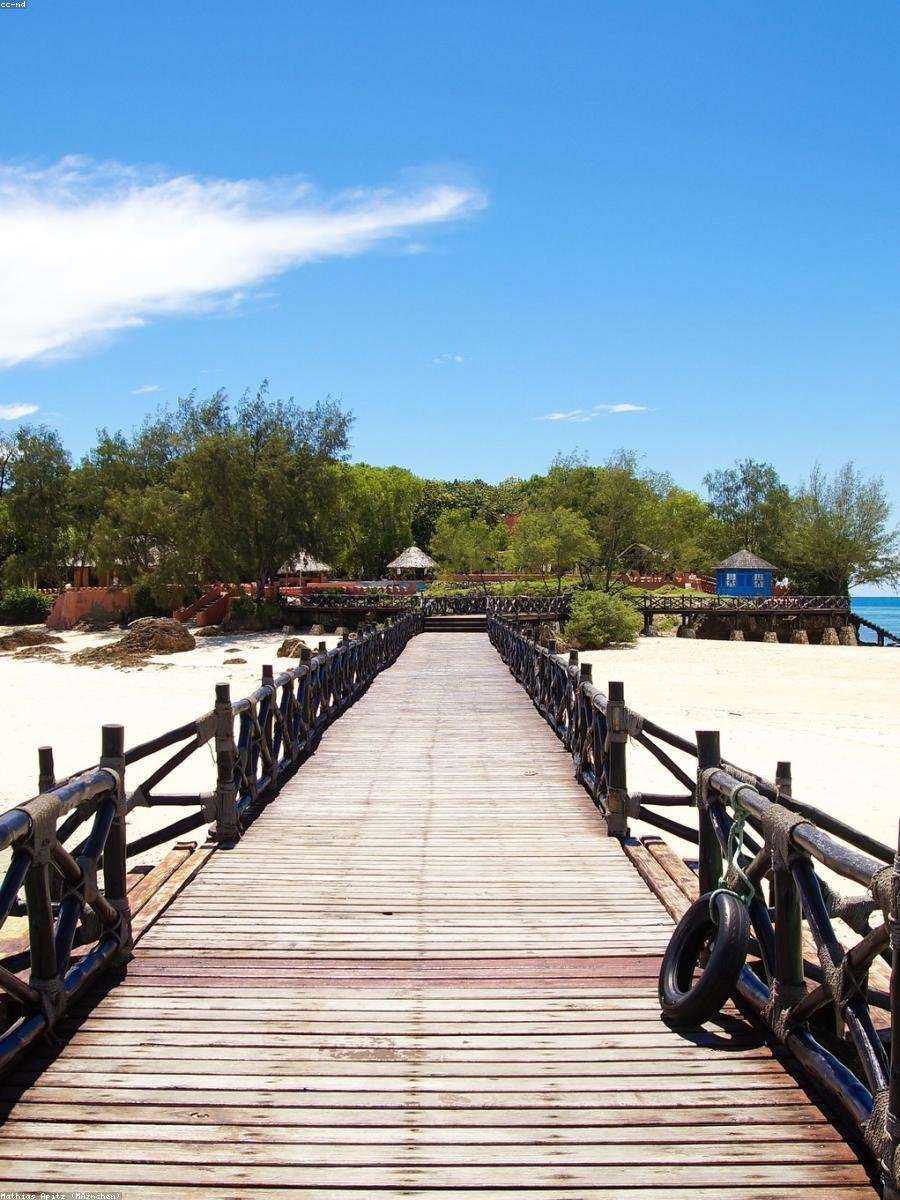
This page compares the Maldives and Zanzibar as beach holidays booked from Saudi Arabia — covering flight routing from Gulf airports, visa realities for Western expats and Gulf nationals, seasonal timing, and what makes each destination suit different types of travelers. Both trips can be arranged end-to-end from a single point of contact in Riyadh, by a team that understands what booking from the Gulf actually involves, including the paperwork that catches independent travelers off guard.
- Flight routing comparison from RUH, JED, DMM, DXB, DOH, and other Gulf airports
- Visa requirements by passport and Gulf residency — Maldives vs Tanzania e-visa
- Seasonal timing: when each destination is actually worth the journey
- What Zanzibar's two-country entry process looks like in practice
- Which trip suits families, couples, and first-time Indian Ocean travelers from the Gulf
Maldives vs Zanzibar: An Honest Overview
Both destinations sit in the Indian Ocean and are well established on the Gulf traveler circuit, but they are not the same holiday. The Maldives is a self-contained resort experience. You arrive at Malé, take a speedboat or seaplane transfer to your island, and you do not leave until departure day. There is no sightseeing, no cultural quarter to explore. That is by design. The value is total separation from everything else — good water, good food, reliable weather in the right season, and nothing left to plan once you arrive. For Gulf travelers, it is also one of the most familiar Indian Ocean routes, with established resort names and predictable logistics. Zanzibar is more layered. Stone Town — the old Swahili trading quarter — is a UNESCO World Heritage site with centuries of Indian Ocean commercial history woven into its alleys and doorways. The northern and eastern beaches rank among the best in East Africa. Spice tours, dhow trips, and snorkeling at Mnemba Atoll add genuine itinerary depth. The trade-off is complexity: Zanzibar is part of Tanzania, the entry process has more moving parts, and total travel time from Saudi Arabia is longer. For travelers who want a beach holiday with substance, that complexity is worth it. For travelers who want to land and decompress, it may not be.
What the Booking Process Actually Looks Like from the Gulf
From Riyadh, Jeddah, Dammam, or other Gulf airports, the Maldives is typically reachable in under eight hours — a single connection through Colombo or another hub, with some routings closer to six. Zanzibar typically adds two to three hours to that: a connection through Nairobi or Dar es Salaam, then an internal leg to the island itself. That extra segment is manageable for most travelers, but it matters during school holiday windows when families are on tight schedules and disruptions cost more. Visa rules are where most travelers underestimate the difference. The Maldives operates a 30-day visa on arrival for most passports, and Gulf residency is not usually a complicating factor. Tanzania requires an e-visa. The important detail: even if Zanzibar is your only destination, you are entering Tanzania as a country, and both the e-visa eligibility and the application process vary by passport — not just where you are currently living. Western expats with EU or North American passports typically find the Tanzania process quick and entirely online. Gulf nationals need to check current rules for their specific passport before assuming the process is straightforward. Visa rules change. We confirm current requirements for your nationality and residency status before you commit to anything. Health documentation adds another layer for Zanzibar. Depending on which countries appear on your transit itinerary, a yellow fever vaccination certificate may be required on entry into Tanzania. This is enforced at the border and cannot be resolved after arrival without the documentation.
What Our Package Covers
Both Maldives and Zanzibar trips are arranged end-to-end from your Gulf departure airport — flight coordination, all accommodation, all in-destination transfers, and the documentation logistics that most travelers underestimate when they try to plan these trips independently.
- Flight coordination from your Gulf departure airport (RUH, JED, DMM, DXB, DOH, KWI, BAH, MCT)
- All accommodation — resort-based for Maldives, split Stone Town and beach stay for Zanzibar
- All in-destination transfers including seaplane or speedboat in Maldives, internal Tanzania leg for Zanzibar
- Tanzania e-visa guidance and documentation support for Zanzibar travelers
- English-speaking support throughout, with a single Riyadh-based contact point from booking to return
- Itinerary coordination for Zanzibar's cultural component — Stone Town, spice tours, snorkeling
Why Book This Instead of Arranging It Yourself
Tanzania entry is genuinely complex. The e-visa process, the yellow fever documentation requirement, and the mainland entry rules catch first-time Zanzibar travelers off guard. We confirm the exact requirements for your passport and Gulf residency combination before you pay anything.
Holiday windows fill up months out. Eid Al-Adha, Saudi National Day, and the December international-school break are the same windows the entire Gulf is trying to book. Seaplane transfer slots in the Maldives are especially limited — planning four to six months ahead is the realistic position, not early enough.
Same time zone, one contact in Riyadh. Logistics questions, schedule changes, and booking adjustments are handled in your working hours by a team based in the Kingdom — not a foreign platform operating on a different clock or in a different language.
Pay in SAR, local legal accountability. Both trips are priced in Saudi riyals with no currency conversion surprises. If something falls short — a hotel fails to deliver, a transfer is missed — you have a licensed Saudi travel agency with local accountability, not an offshore booking platform.
Best Time to Go
For the Maldives, the dry season runs from November through April. This period brings lower humidity, calmer seas, and the best underwater visibility. December through February is peak — resorts at top properties can be fully committed months in advance, and rates reflect that. November and late March offer comparable conditions with more breathing room on availability. The wet season (May through October) brings rain and rougher water on the western atolls, though some eastern and northern atolls hold better conditions through the summer. For Gulf travelers with schedule flexibility, October is often overlooked: prices are softer, crowds are thinner, and conditions on the right islands are still very acceptable.
Zanzibar's primary dry season runs from June through October — the period that overlaps most cleanly with the Gulf summer travel window, which is why July and August are busy from Saudi Arabia and the wider GCC. The short rains fall in November and December. The long rains arrive from March through May, with April being the wettest month and generally best avoided for a beach-focused trip. December through February is a secondary dry window and a workable time to travel. For families tied to school calendars, the July to August break and the October half-term both align well with Zanzibar's good season — but those windows book up.
Practical Notes for Gulf Residents
Visa and residency: Maldives visa on arrival covers most nationalities and does not depend on Gulf residency status. Tanzania e-visa eligibility and process vary by passport country — your residency in Saudi Arabia or elsewhere in the Gulf is a separate variable that may or may not affect eligibility. Always confirm before booking.
Flight routing from Gulf airports: From RUH, JED, or DMM, most Maldives routings involve one connection and a total journey of six to eight hours. Zanzibar typically adds two to three hours via a Nairobi or Dar es Salaam hub. Travelers departing from DXB, DOH, KWI, BAH, or MCT will have different routing options and journey times.
Yellow fever documentation for Zanzibar: Tanzania may require a yellow fever vaccination certificate depending on which transit countries appear on your travel itinerary. This requirement is enforced at entry — it cannot be resolved on arrival without the certificate, and the transit country that triggers it is not always the obvious one.
Maldives seaplane transfers: Seaplane transfers to remote resort islands operate in daylight hours only and must be pre-booked through your resort. This is a coordination step many independent travelers miss — it affects check-in times, departure day scheduling, and what happens if your incoming flight is delayed.
Peak holiday booking lead time: Both destinations see sharp demand from Gulf airports during Eid windows and the December school break. The Maldives in particular has fixed resort capacity and limited seaplane slots — booking four to six months ahead is a practical necessity for these periods, not conservative advice.
Maldives vs Zanzibar from Saudi Arabia: Which to Book: Common Questions From Gulf Residents
The Maldives and Zanzibar are both worth making the journey for. The difference is what you want from the trip — and what the logistics look like when you are departing from Saudi Arabia with a specific passport and a specific Gulf residency status. The Maldives delivers simplicity and predictability. Zanzibar delivers depth and variety, with a more involved process to get there. The clearest first step is confirming the documentation path for your situation. That conversation is straightforward, it takes ten minutes, and it determines which of the two trips is actually the right one to book.