This page compares Japan and Vietnam as destinations for Gulf-resident expats and Saudi travellers planning an Asia trip. We cover the visa picture from Gulf residency, realistic logistics, seasonal timing, and what each country actually delivers on the ground — so the decision is based on your specific situation, not a generic travel blog overview.
- Visa requirements for Gulf residents: what changes by passport and residency country
- Cost and planning effort: how far ahead to book and what budget to expect
- Seasonal timing and which windows suit each destination best from the Gulf
- Family and couple suitability assessed honestly, including for children
- What Khobraa Travels handles when you book either trip
Japan vs Vietnam: An Honest Overview for Gulf Expats
Japan and Vietnam attract different travellers for different reasons, and the gap between them is wider than it first appears. Japan is structured, expensive relative to Southeast Asia, and rewards careful planning. Its appeal is specific: food culture with unusual depth and consistency, temples and gardens that repay slow attention, and a level of logistical reliability that is rare in Asia. Vietnam is looser, cheaper, and more varied in a single trip — you can move between a city, a beach, and an ancient riverside town inside ten days without it feeling rushed. For Gulf-based travellers, the practical differences matter as much as the experiential ones. Japan sits roughly 9 to 10 hours from Riyadh or Jeddah. Vietnam is typically 7 to 8 hours from Gulf airports. Both usually involve a connection. Japan's visa process is more involved for some passports; Vietnam's e-visa is now available to most nationalities and is relatively straightforward. Neither destination is difficult to reach from the Gulf — but the planning timeline, total trip budget, and character of the experience are quite different.
Why Visa Eligibility Is More Complicated Than It Looks for Gulf Residents
Gulf-based expats don't always realise that visa eligibility for both Japan and Vietnam depends on two separate factors: passport nationality and country of residence. Applying for a Japan visa as a UK or US passport holder resident in Saudi Arabia is different from applying as someone with an Indian, Pakistani, or Philippine passport resident in the same country. Vietnam's e-visa system is more uniform, but depending on nationality there can be limitations on permitted entry points, length of stay, or extension options that are not obvious until you are already committed to a booking. For Saudi nationals, Japan's visa access has improved in recent years — but conditions are subject to change, and the process for residents of Saudi Arabia applying with non-GCC passports requires careful verification before travel. Processing timelines, documentation requirements, and the practical steps of applying from a Gulf address all vary. Visa rules change. We confirm current requirements for your nationality and residency status before you commit to anything. This matters because one of the most common booking mistakes Gulf expats make is assuming that visa rules they read about online apply to their specific situation. They often do not. A South Korean passport holder in Riyadh and a British passport holder in Riyadh may have entirely different Japan visa experiences despite being in the same city booking the same trip. Getting the application right the first time is not complicated with the right support — but it is not something to verify after you have already paid for flights.
What Our Package Covers
When you book a Japan or Vietnam trip through Khobraa Travels, we manage the full itinerary from your Gulf departure point. Here is what that typically covers:
- Return flights coordination from your Gulf airport — RUH, JED, DMM, DXB, DOH, KWI, BAH, or MCT
- Hotel selection and booking across all cities and regions on your itinerary
- All internal transfers, trains, domestic connections, and airport pickups
- English-speaking local guide for key sites and day trips
- Visa documentation review and application support before any payment is committed
- Itinerary built around your specific school holiday window, Eid break, or annual leave
- Direct support from Riyadh throughout the trip — same time zone, responsive
Why Book This Instead of Arranging It Yourself
Gulf-resident visa processing: We handle Japan and Vietnam applications specifically for Gulf residents, not the generic tourist version. The documentation required from a Saudi Arabia-based applicant is different in several ways, and we know what each consulate actually expects.
Itinerary matched to your window: Both Japan and Vietnam have strong seasons and weak ones. We match your school break, national holiday, or leave dates to the right travel window — and tell you honestly if your calendar falls in the wrong season for your preferred destination.
No pressure to book the wrong trip: If Japan does not suit your available window this year, we will say so. A Vietnam trip in the right season is a better outcome than a Japan trip in the wrong one, and we would rather you book correctly and return.
Local company, real accountability: For Gulf-based travellers, a Riyadh-based agency means real-time support when plans change and local legal standing if something goes wrong — not a call centre operating in a different time zone.
Best Time to Go
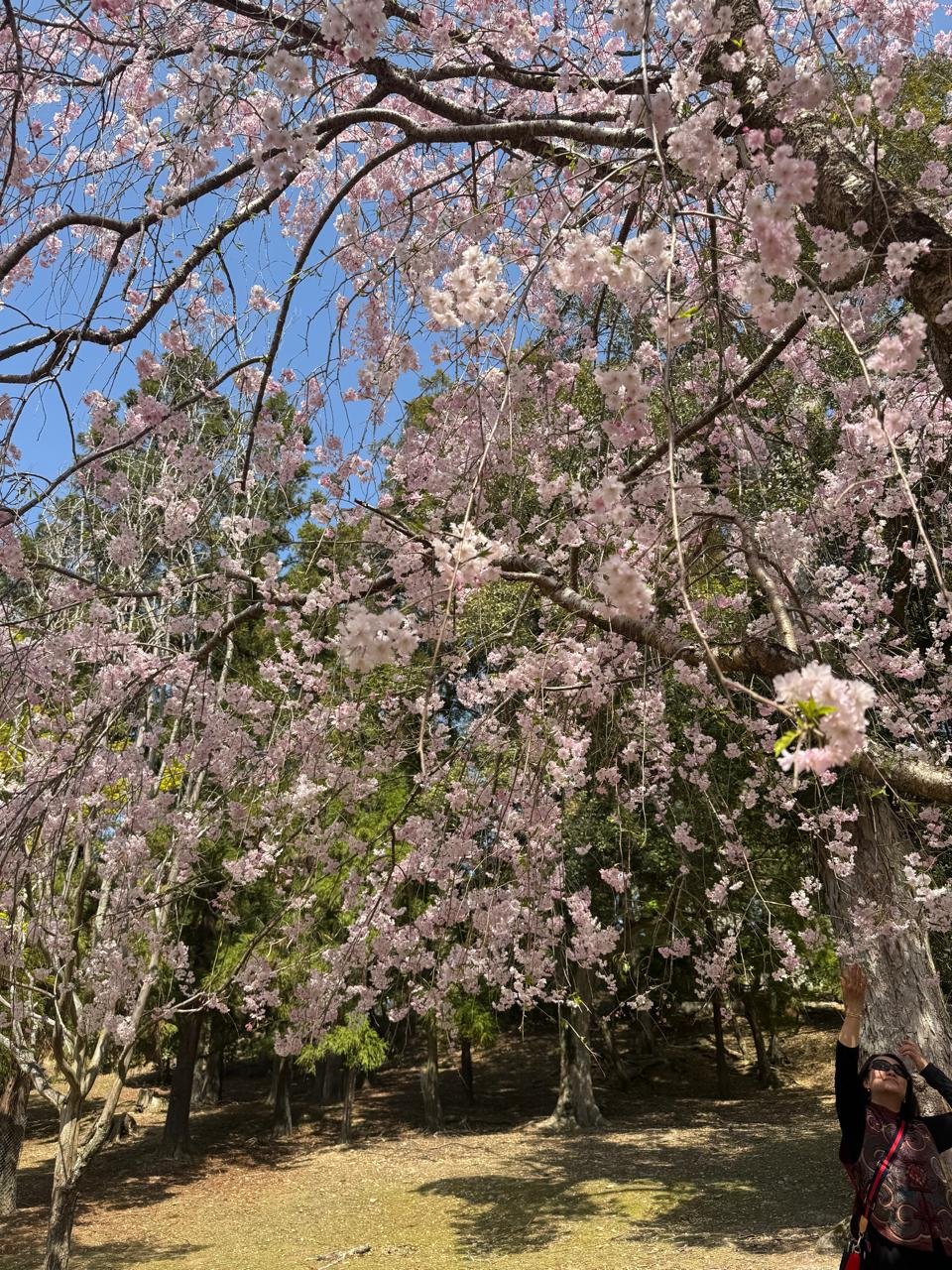
Japan has two outstanding travel windows: cherry blossom season running from late March to mid-April, and autumn foliage from mid-October to mid-November. Both are popular and heavily booked, which means planning six months in advance is a minimum for cherry blossom, and earlier is better for groups or families requiring specific accommodation. Summer in Japan — July and August — is humid, crowded, and expensive. Winter from December to February is cold but manageable; popular sites are quieter and accommodation is easier to secure. For Gulf expats with a Ramadan or Eid window in spring, Japan is a strong match if the dates align with cherry blossom. October half-term, which many international schools in Saudi Arabia observe, falls almost perfectly inside Japan's autumn foliage window.
Vietnam's best timing depends on which region you are visiting. Southern Vietnam — Ho Chi Minh City, the Mekong Delta, Phu Quoc — is driest and most comfortable from November through April, making it a strong choice for the winter school holiday period. Central Vietnam, covering Da Nang, Hoi An, and Hue, experiences heavy rain from October through December and is best visited from January to August. Northern Vietnam, including Hanoi and Ha Long Bay, is pleasant from October to April, though January and February mornings can be cooler than most Gulf visitors expect. If your window is limited and you want the lowest-risk first visit, southern Vietnam from November to February is the most reliable choice in terms of weather and logistics.
Practical Notes for Gulf Residents
Visa — Japan: Requirements vary significantly by passport nationality, and the process for Gulf-resident applicants can differ from what is published for home-country applicants. Some passports are visa-exempt for short stays; others require a full consular application with supporting documentation. Processing typically takes one to two weeks, but allow more time before peak seasons and confirm requirements specific to your nationality and Saudi Arabia residency status.
Visa — Vietnam: Vietnam's e-visa is available to most nationalities, covers 90 days for eligible passports, and is typically processed within three business days. Some nationalities have limitations on permitted entry points or cannot extend on arrival. Confirm your eligibility before booking — and note that your Gulf residency address is part of the application process.
Flight time from the Gulf: Japan, specifically Tokyo Narita or Osaka Kansai, is roughly 9 to 10 hours from Riyadh, Jeddah, or Dubai. Vietnam — Hanoi or Ho Chi Minh City — is typically 7 to 8 hours from Gulf departure airports. Both destinations usually involve at least one connection.
Budget expectations: Japan is a meaningfully more expensive destination than Vietnam. Accommodation, meals, and transport within Japan all cost more, and a 10-day Japan itinerary at a comfortable standard will run noticeably higher than the equivalent 10 days in Vietnam. Neither is cheap if you are travelling well, but the gap is real and worth factoring into the decision.
Minimum trip length: Japan needs at least 10 days to cover Tokyo and Kyoto-Osaka at a sensible pace; 14 days is better if you want to add a third region such as Hiroshima or the Japan Alps. Vietnam can be done well in 7 to 10 days for a focused south or central itinerary; 12 to 14 days if you want to cover both north and south properly.
Japan vs Vietnam from Saudi Arabia: Which Should You Book First?: Common Questions From Gulf Residents
Japan and Vietnam are both strong Asia choices from the Gulf, and neither is the wrong answer. The decision usually turns on three things: the passport you are travelling on, the window you have available, and the kind of trip experience you want. We can help you work through the practical side — visa requirements for your specific nationality and Gulf residency, the right seasonal match for your calendar, and an itinerary that suits your group size and travel style. Contact us on WhatsApp to start the conversation.