This page compares Japan and South Korea as trip destinations for Gulf-based expats — Western professionals and Gulf nationals who search and travel in English. It covers the practical differences in visa process for Gulf residents, trip length, seasonal timing, and what each country actually delivers on the ground. If you're deciding between the two and want an honest read on the tradeoffs before committing, this is the right place to start.
- Visa routes compared: what Gulf residency means for Japan entry and South Korea's K-ETA
- Trip length reality: Japan needs more days than most itineraries allow for
- Seasonal timing for school holiday windows, including Saudi National Day
- What each destination actually delivers — cities, food, pace, cost
- Group departure options from Gulf airports for both destinations
Japan vs South Korea: An Honest Overview for Gulf Travellers
Both Japan and South Korea consistently over-deliver on first visits. The similarity ends there. Japan is a longer trip by design — Tokyo, Kyoto, and Osaka alone fill a serious itinerary, and trying to rush it produces regret. South Korea is more compact. Seoul is the primary draw, with Busan and Jeju Island adding options without demanding a domestic flight network to access them. Cost-wise, Japan runs higher. Accommodation especially, and the classic experiences — ryokan stays, high-end kaiseki dining — carry a premium that is difficult to avoid without compromising the trip's character. South Korea is more flexible; Seoul can be done well across a range of budgets, and the food scene is genuinely one of the best in Asia at any price point. For Gulf families, school holiday timing often matters more than destination preference. Both countries share similar peak seasons — spring and autumn — that overlap with international-school calendars. Neither is a beach destination. Both are primarily city, culture, and food trips. If your family needs a beach component as part of the holiday, neither Japan nor South Korea should be the primary destination in that itinerary.
Visa, Timing, and What 'Easy' Actually Means from the Gulf
The visa question is where Gulf residents face a split decision that most travel content skips entirely. Japanese entry requirements depend on your passport nationality — but they also depend on where you are applying from. A holder of a visa-exempt passport might still need to apply through the Japanese embassy in their country of Gulf residence, depending on how long they have lived there and what their residency status is. The process, the documents required, and the processing timeline can all differ from what applying in your home country would involve. South Korea operates the K-ETA — Korea Electronic Travel Authorisation — for many nationalities. This is a simpler online process than a full visa application. But K-ETA eligibility, again, can depend on your specific passport combined with your current Gulf residency situation. It is not a universal shortcut. This is not a reason to avoid either country. It is a reason to confirm your specific position before booking flights. Getting the visa route wrong at the application stage — wrong embassy, incorrect documentation, wrong timing relative to your trip dates — creates delays that affect the whole itinerary, not just the visa itself. Visa rules change. We confirm current requirements for your nationality and residency status before you commit to anything. Both countries also typically require evidence of a return flight and hotel reservations as part of the visa application process — which means coordinating those elements before a visa is in hand, something that requires careful sequencing.
What Our Package Covers
Our East Asia packages cover full trip logistics, from visa support and document review through to accommodation, transfers, and day-by-day itinerary planning. Whether the destination is Japan, South Korea, or a combination of both, the package handles the coordination that takes the most time to get right.
- Visa support and document checklist, reviewed against your nationality and Gulf residency status
- Hotel selection and booking: ryokans in Japan, hotels and guesthouses in South Korea
- Airport transfers and inter-city transport coordination in both countries
- Day-by-day itinerary built around your travel window and school holiday calendar
- English-speaking local guide arrangements for key days and experiences
- Group departure options aligned to Saudi National Day, Eid breaks, and international-school half-terms
- Pre-departure briefing on entry requirements, sim cards, currency, and ground practicalities
Why Book This Instead of Arranging It Yourself
Visa complexity handled first. Japan and South Korea both have entry routes that depend on nationality combined with Gulf residency, not nationality alone. We establish the correct process before any booking is made, so the itinerary is built around a realistic visa timeline.
Japan timing is unforgiving. Cherry blossom season and peak autumn foliage mean hotels in Kyoto book out three to six months in advance. We know the windows that matter and move early enough to secure the right properties.
School holiday departures. We run group departures timed to Saudi and international-school calendars, including late September around Saudi National Day — which lands in Japan's ideal shoulder season, with pleasant weather and no peak-season premiums.
Local company, Gulf time zone. Payment in local currency, staff in the same time zone, and legal accountability within the Kingdom — the practical advantages of booking with a local agency rather than an overseas operator become clearest when something needs adjusting mid-trip.
Best Time to Go
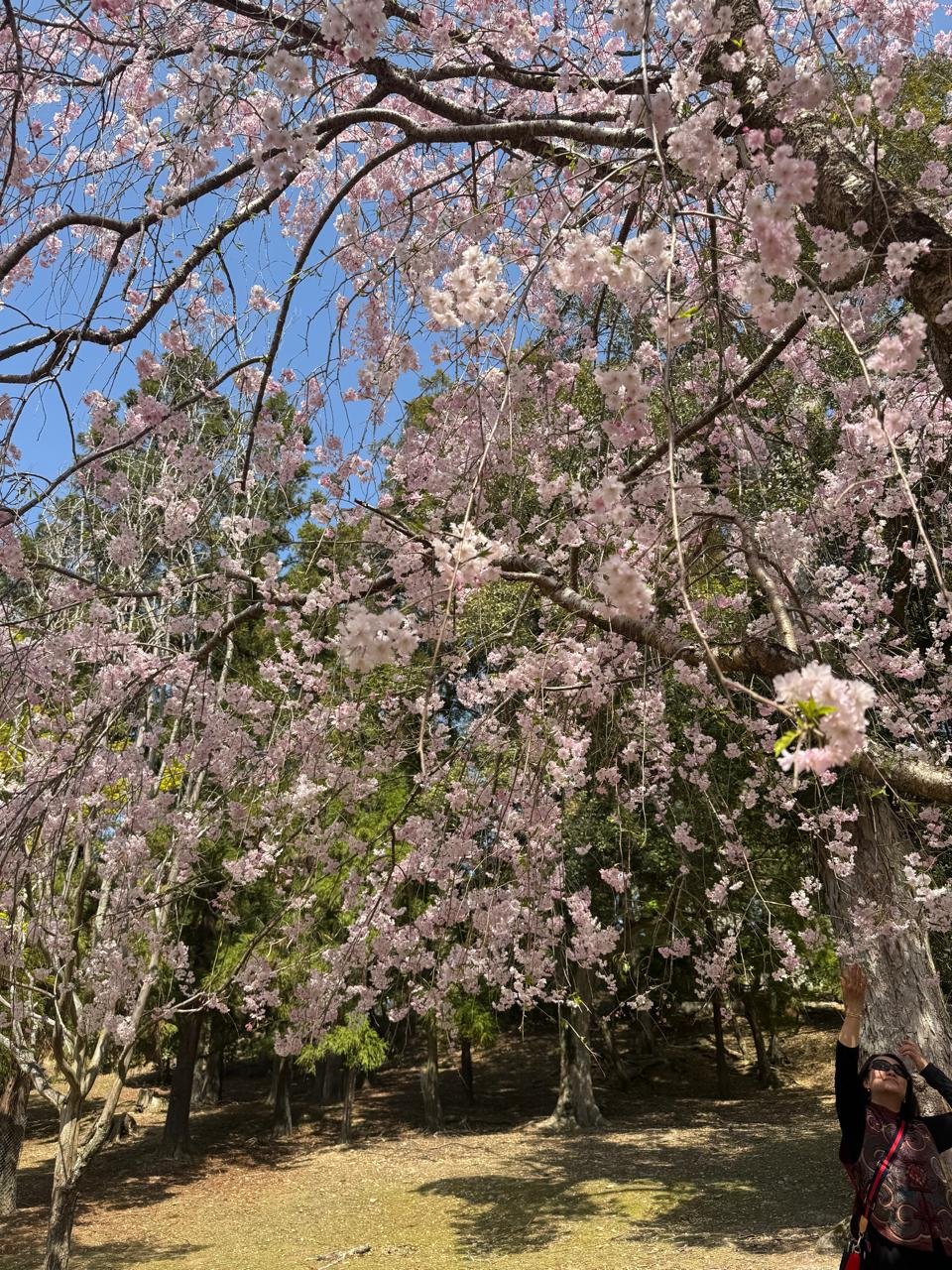
Japan's two best windows are late March to early April for cherry blossoms and mid-October to mid-November for autumn foliage. Both are worth the effort — and both are peak season, meaning premium hotel prices and booking lead times of three to six months for the best properties in Kyoto especially. For Gulf expats on international-school half-terms, the November window aligns well with autumn colour. Late September, which covers the Saudi National Day break, is a solid shoulder-season option: mild weather across most of the country, no peak-season surcharges, and a noticeably more relaxed pace in the main tourist cities. Summer — June through August — is humid and rainy across Japan. Manageable, but not the introduction the country deserves.
South Korea's best weather arrives in April and in October through November, very similar to Japan's rhythm. Seoul functions as a destination in any season, but summer humidity is significant and July brings the monsoon. Winter in Seoul — December through February — is sharply cold and dry. It suits city-focused travel for adults who are comfortable with cold weather; it is harder to recommend for families with young children expecting a varied outdoor itinerary. For Christmas breaks from the Gulf, South Korea works better than Japan for families who want urban energy in cold weather rather than a more measured, traditional travel experience.
Practical Notes for Gulf Residents
Visa and residency: Entry requirements for both Japan and South Korea depend on passport nationality and Gulf residency status, not nationality alone. Confirm your specific route before any bookings are made.
Flights from Gulf airports: Connections exist from most Gulf hubs — RUH, JED, DMM, DXB, DOH, KWI, BAH, MCT — to both Tokyo and Seoul. Total journey time typically runs between 8 and 11 hours depending on routing.
Trip length: Japan needs a minimum of 7 to 8 days to cover Tokyo and Kyoto without rushing; 10 days is more comfortable. South Korea can be well-covered in 5 to 7 days centred on Seoul. Combining both countries requires at least 12 to 14 days.
Currency and payments: Japan uses cash more extensively than most of Asia; some smaller establishments and traditional venues do not accept cards. South Korea is largely cashless. Both require some advance planning.
English on the ground: Major tourist infrastructure — transportation hubs, museum signage, hotel front desks — is well-covered in English in both countries. Everyday settings outside tourist zones have limited English in Japan; Seoul is generally more English-accessible.
Japan or South Korea from the Gulf: How to Choose: Common Questions From Gulf Residents
Japan and South Korea both deliver. The question is which trip suits your specific window, your visa situation, and what you actually want from East Asia. We have run both itineraries for Gulf expat families and couples, and the right answer varies significantly depending on those factors. The visa question is where we add the most concrete value upfront — establishing the correct process before a single booking is locked in saves time and avoids complications that are difficult to resolve once the itinerary is set. If you are weighing the two, start by sharing your travel window and passport nationality. We will come back with an honest view on which trip makes more sense right now.