Japan has expanded visa-free entry to a large number of nationalities over the past decade, but the list is far from universal — plenty of nationalities common among Gulf residents still need a standard tourist visa. For those who do, Japan has a structural quirk that catches people out: in many jurisdictions, including across the Gulf, Japanese consulates do not accept tourist-visa applications directly from travellers. Applications have to go through an accredited travel agency, which is a genuine procedural requirement, not an upsell.
- A clear check of whether your specific nationality needs a visa for Japan at all
- Guidance through Japan's accredited-agency application route, required for most visa applicants
- A realistic document and processing timeline built around your travel dates
- Trip planning for Tokyo, Kyoto and beyond, once your entry requirements are confirmed
Japan Visa Overview for Gulf Residents
Japan has expanded visa-free entry to a large number of nationalities over the past decade, but the list is nationality-specific and has changed more than once — plenty of nationalities common among Gulf residents still need a standard tourist visa. For those who do, most Gulf jurisdictions require the application to go through an accredited travel agency rather than direct submission to the consulate, a genuine procedural requirement that surprises applicants who assume they can apply on their own.
What Actually Makes This Process Difficult
The core issue is that two separate questions get conflated: whether your nationality is visa-exempt, and whether you can apply yourself if it isn't. Even applicants who correctly establish they need a visa are sometimes surprised to learn they can't simply approach the consulate directly — the accredited-agency requirement means the application has to be submitted through a registered intermediary, with its own document formatting and checklist expectations. Getting either part wrong, assuming exemption that doesn't apply, or expecting to apply directly when an agency is required, is the most common way this process stalls.
Documents and Timeline You'll Typically Need
For nationalities that require a visa, this is the checklist a Japanese consulate typically expects, submitted through an accredited agency.
- A passport valid for the length of your stay, with at least two blank pages
- A completed visa application form and one recent passport photo
- A day-by-day itinerary, including confirmed or provisional flight and hotel details
- Proof of your Gulf residency and employment, including a letter from your employer confirming your role and leave dates
- Bank statements showing sufficient funds for the trip
- In some cases, a guarantor letter — required for certain nationalities and case types, confirmed on a per-application basis
Common Mistakes Gulf Residents Make
Assuming visa-free entry without checking. Japan's exemption list is nationality-specific and has changed several times in recent years. Assuming it applies to you because a colleague or friend of a different nationality travelled visa-free is a common, costly mistake.
Expecting to apply directly to the consulate. In many Gulf jurisdictions, tourist-visa applications have to go through an accredited agency rather than the traveller directly. Discovering this after building your own document set wastes real time.
Submitting a vague itinerary. A day-by-day plan with real place names, even if some details shift later, is treated far more favourably than a generic 'sightseeing' outline.
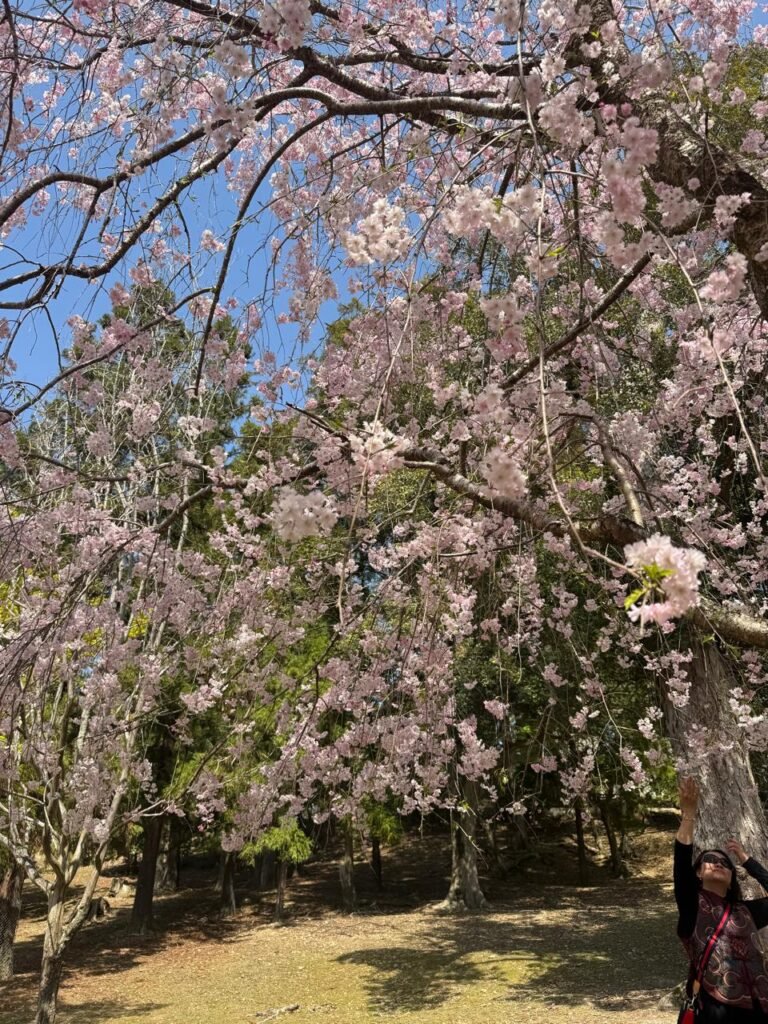
Underestimating how fast slots move in peak season. Cherry blossom season (late March–early April) and autumn foliage season (November) are Japan's busiest tourism periods worldwide, and that pressure shows up in agency and appointment availability too.
What We Help With
An honest assessment first. We check your specific nationality against Japan's current exemption list and tell you plainly whether you need a visa at all, before you plan anything else.
The accredited-agency application. Where a visa is required, we handle the agency-route submission and prepare your document set in the format Japanese consulates expect.
Itinerary and document detail that holds up. We help you build a specific, credible day-by-day plan rather than a generic outline, and assemble the financial and employment evidence behind it.
The trip itself, once you're clear. Hotels, rail planning between cities, and an English-speaking guide for Tokyo, Kyoto and beyond — arranged once your entry requirements are confirmed.
What We Don't Do
We don't decide the outcome. The consulate makes the visa decision, not us. We prepare a complete, correctly formatted application through the required channel — the decision itself isn't ours to make.
We don't guess at exemption status. We check your specific nationality against the current rule rather than assuming the most favourable answer.
We don't bypass the accredited-agency requirement. Every application we help prepare goes through the legitimate, required channel. No shortcuts.
Best Time to Go
Spring (late March–April, cherry blossom season) and autumn (October–November, foliage season) are Japan's most popular and most crowded windows, with accommodation and rail seats booking out early. Early winter and mid-summer are quieter and often more comfortable for a first-time visitor with flexible dates.
If a visa is required, build your application timeline around Japan's peak seasons deliberately — agency and consulate capacity tightens exactly when everyone else is also trying to travel.
Practical Notes for Gulf Residents
Departure airports: we plan around Riyadh (RUH), Jeddah (JED), Dammam (DMM), Dubai (DXB), Doha (DOH), Kuwait City (KWI), Bahrain (BAH) and Muscat (MCT). Where you apply, and which documents your appointment requires, can depend on which Gulf country you hold residency in — we factor that into your timeline.
Visa and residency: your requirement is based on your nationality, not your Gulf residency. We confirm your exact status, including whether the accredited-agency route applies to you, before you commit to anything.
Getting around: Japan's rail network is extensive and, for most itineraries, the most practical way to move between cities. We build this into your itinerary from the start rather than as an afterthought.
Plan the Trip Itself
Once your entry requirements are confirmed, here's the Japan itinerary we already plan in full.
Japan Visa: Common Questions From Gulf Residents
Japan's visa process trips people up less because it's harsh and more because it has two separate rules — exemption by nationality, and the accredited-agency requirement — that get confused for each other. Tell us your nationality and Gulf residency; we'll tell you plainly which rule applies to you before you plan anything else.