This comparison is for Gulf residents — expats and nationals alike — who are weighing a Caucasus trip and trying to decide how to spend a week or ten days. Georgia and Armenia are close enough to combine and different enough to warrant choosing carefully. The comparison here covers what each country actually delivers, how long you realistically need, what the visa situation looks like from a Gulf residence, and where it makes sense to combine both into a single itinerary.
- Honest breakdown of Georgia vs Armenia for Gulf-based travelers
- Visa situation explained for different passports and Gulf residency types
- Realistic day requirements for each destination and for a combined trip
- Best months to travel, aligned with school holidays and Gulf departure points
- What a combined Georgia-Armenia itinerary actually looks like
Georgia vs Armenia: Overview of Both Destinations
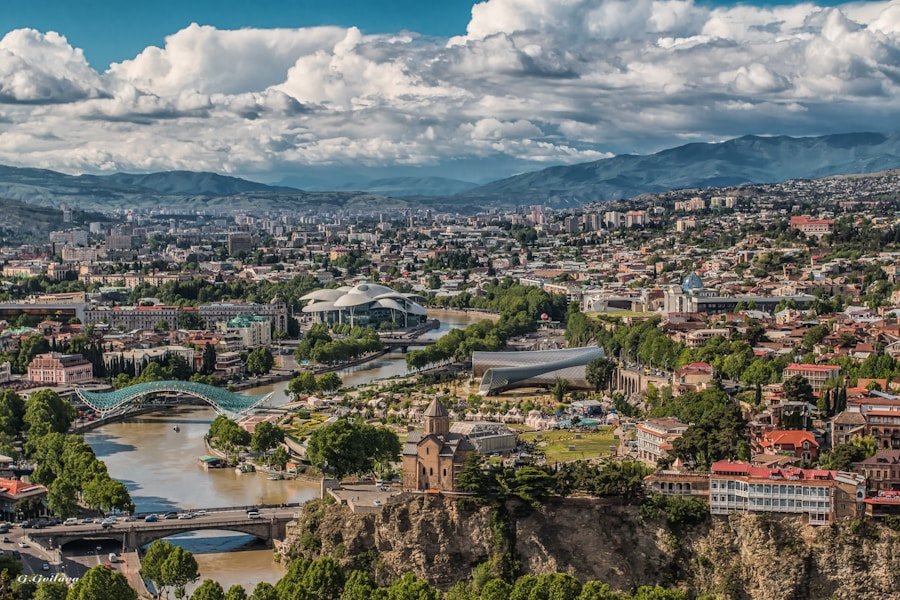
Georgia is geographically larger and more varied. Tbilisi is the natural starting point — a genuinely interesting city with strong food and wine culture, walkable neighborhoods, and easy day trips. From there, travelers typically move into the mountains around Kazbegi, the wine country of Kakheti, or the Black Sea coast near Batumi. Covering two or three of these zones properly takes at least eight days. Ten is more comfortable. A rushed five-day Georgia trip means cutting something significant. Armenia is smaller and more focused. Yerevan anchors the trip — a compact, walkable capital with its own distinct architectural character. The main countryside sites sit within a manageable radius: Lake Sevan, the Debed Canyon monasteries in the north, and the Garni temple with Geghard monastery nearby. Five to six days is enough to see Armenia well. Both countries are reachable from Gulf departure points, with connections routing through regional hubs. Travel time from Riyadh, Jeddah, or Dammam to Tbilisi or Yerevan typically runs six to nine hours including the connection.
What Actually Determines the Right Choice
The decision between Georgia and Armenia is rarely about which is better in the abstract. It usually comes down to four concrete factors: available time, passport country, travel style, and who is traveling with you. Time is the clearest filter. Five to six days makes Armenia the right call — you can do it without rushing. Georgia in five days forces cuts. Eight to ten days makes Georgia work well as a standalone. Twelve or more days, and combining both becomes practical. Passport and residency both affect visa. Georgia offers visa-free entry to a wide range of nationalities, and the rules are generally favorable for many Gulf-based expats. Armenia has separate entry rules, and they do not always align with Georgia's. A traveler who enters Georgia without a visa might still need an Armenian e-visa — or might find they are not eligible for it at all under their specific residency status. It needs to be checked against your actual nationality and your Gulf residency documents, not just one factor in isolation. Visa rules change. We confirm current requirements for your nationality and residency status before you commit to anything. Travel style matters as well. Georgia suits travelers who want variety across one itinerary — mountains, coast, city, wine region. Armenia is more concentrated: history, religious architecture, and a cultural experience that rewards slower movement through a smaller area.
What Our Package Covers
Our Georgia-Armenia packages are built for Gulf residents who want a single coordinated itinerary. Flight connections, hotels in Tbilisi, Yerevan, or both, all ground transfers, English-speaking guides, and full visa documentation support — handled together as one booking from your Gulf departure point.
- Return flight coordination from your Gulf departure point (RUH, JED, DMM, DXB, DOH, KWI, BAH, MCT)
- Hotels in Tbilisi, Yerevan, or both cities based on your chosen itinerary
- All ground transfers within each country and cross-border logistics if combining both
- English-speaking guide throughout the trip
- Visa documentation check and support tailored to your nationality and Gulf residency status
- Suggested day-by-day itinerary structured around your available days
- 24/7 contact with our team from departure to return
Why Book This Instead of Arranging It Yourself
Visa check before flights. Georgia and Armenia have different entry rules, and they interact in ways that aren't always obvious from a general search. We check your specific passport and Gulf residency combination before you book anything.
Two countries, one coordinated booking. Managing Georgia and Armenia independently means two sets of hotels, two border logistics, two currencies, and a land crossing in between. We handle it as a single itinerary with no handoff gaps.
English-speaking guides throughout. In both countries, having a guide who knows the sites, the roads, and the local conditions makes a material difference to the trip — particularly in mountain areas and at remote historical sites.
School holiday and long-weekend timing. We run group departures aligned to international school holidays and Saudi national holidays. Useful for families, and for travelers who prefer a structured group departure over arranging everything from scratch.
Best Time to Go
Spring (April to early June) and autumn (September to October) are the most reliable windows for both countries. Temperatures in Tbilisi and Yerevan are comfortable — warm days, cool evenings — and the mountain areas of Georgia are fully accessible from May onward. The Caucasus countryside is either green from spring rains or showing fall colors in October. These windows align reasonably well with spring and autumn school breaks, which makes them practical for families traveling from Gulf international schools.
Summer (July and August) is busy and warmer, particularly in Yerevan, which sits in a lower, drier basin than Tbilisi. The mountains cool things down considerably, and travelers who base themselves in Kazbegi or Mestia in July will have a different experience from those staying in the capitals throughout. August is peak season with higher prices and fuller hotels. September and October consistently draw the most Gulf-based travelers — coming off the extreme Gulf summer heat, the mild Caucasus autumn is a notable change, and the crowds are already thinning. Winter is possible in both capitals for a city-focused trip, but mountain routes in Georgia close, which removes a significant part of what makes the country worth visiting.
Practical Notes for Gulf Residents
Visa — nationality and residency both apply: Georgia offers visa-free access to many nationalities, but the list is not universal. Armenia has separate entry conditions, including an e-visa option for certain passport holders. Your Gulf residency type and validity can affect eligibility. Never assume that what applies to a colleague with a different passport applies to you.
Departure airports from the Gulf: Most Gulf-based travelers route through Riyadh (RUH), Jeddah (JED), Dammam (DMM), Dubai (DXB), or Doha (DOH). Both Tbilisi (TBS) and Yerevan (EVN) are typically reached with one connection. Total travel time including connection usually runs six to nine hours.
Currency and cash: Georgia uses the Georgian Lari (GEL) and Armenia uses the Armenian Dram (AMD). Neither exchanges easily in the Gulf — plan to exchange on arrival or at your connecting hub. Both countries are largely cash-based outside of central city areas.
Crossing between countries: The Bagratashen–Sadakhlo land crossing is the standard option for combined trips. It is manageable and commonly used, but adds several hours to the journey day. Flying between Tbilisi and Yerevan is faster but adds its own logistics and cost.
Halal food: Both Georgia and Armenia are predominantly Christian countries, and halal options are limited outside specific restaurants in central Tbilisi and Yerevan. With advance planning it is workable — flag it at booking and we factor it into hotel and restaurant recommendations.
Georgia or Armenia: A Practical Comparison for Saudi Travelers: Common Questions From Gulf Residents
Georgia and Armenia are two of the more interesting options for Gulf-based travelers with eight to twelve days of leave. They sit outside the standard European circuit, they're accessible without long-haul flights, and they deliver genuine variety — mountains, history, food culture, and cities that aren't overrun. The visa side requires real attention because the rules interact in ways that aren't always obvious from a quick search. We work through that in the first conversation, before you've committed to dates or bought any flights. Get in touch on WhatsApp with your passport, your Gulf residency details, and how many days you're working with. We'll build an honest itinerary around what actually makes sense.