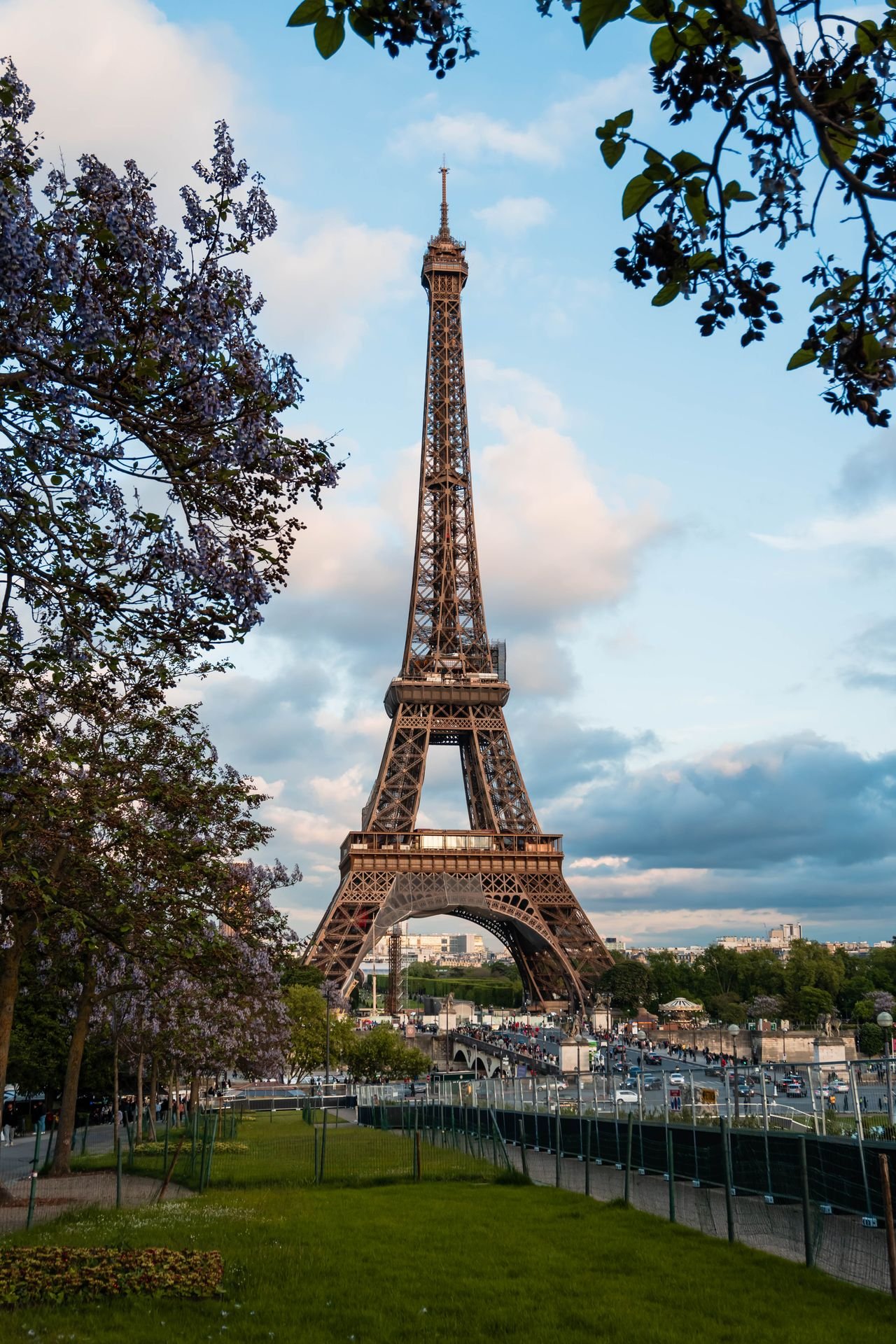
This page is a practical planning guide for Gulf families choosing between France and Italy as their next European trip. Both are top choices from GCC departure cities, both require a Schengen visa, and both are heavily in demand during the school-holiday windows Gulf families typically use. The planning realities are different in ways that most comparison articles skip over. We cover the structure of each trip, what works at different ages, seasonal timing, and the visa process as it applies to Gulf residents specifically.
- One Schengen visa covers both France and Italy — or a combined trip to both
- France suits a single-base family stay; Italy suits multi-city travellers with more time
- Both destinations peak during the same school-holiday windows used by GCC families
- Visa applications for Gulf residents are assessed on nationality and residency — not just passport
- We handle the full trip: visa documentation, hotels, transfers, guides, and timed-entry bookings
France vs Italy for Gulf Families: An Honest Overview
France and Italy are the two most frequently booked European destinations by Gulf residents, and for good reason. Both have iconic sights, solid infrastructure, and a well-worn tourist circuit that is easy to navigate. The Schengen visa requirement is identical for both — one application, same processing window, same consulate experience from Riyadh or Dubai. The structural difference matters more than most people expect before they book. France is a country where Paris alone can fill a full family trip. Day trips to Versailles, the Loire Valley, or Mont Saint-Michel are possible without changing hotels. You unpack once. For families with children under ten, that single-base structure is a significant practical advantage. Italy is different: Rome, Florence, Venice, the Cinque Terre, the Amalfi Coast, and the lake district each sit hours apart and each deserves its own time. A well-planned Italy trip for a family usually involves four or five hotel check-ins across a ten-day trip. That is not a problem — it is just the reality to plan for. For families with teenagers or adults willing to move around, Italy's variety is hard to match anywhere in Europe.
Why the Same Visa Doesn't Mean the Same Planning Process
Gulf residents applying for a Schengen visa encounter a layer of complexity that is consistently underestimated. Your application is evaluated on the basis of both your passport nationality and your country of Gulf residency — not one of them in isolation. A British passport holder resident in Riyadh applies with a different supporting document set than one applying from the UK. An Indian passport holder based in Dubai has different appointment options and documentation requirements than one applying from Mumbai. French and Italian consulate information pages in the Gulf rarely make this clear. Visa rules change. We confirm current requirements for your nationality and residency status before you commit to anything. Beyond the visa, the demand pattern from Gulf families creates a crowd problem at both destinations. July and August — when Saudi international-school summer breaks and the GCC extended summer holiday coincide — are the peak crowd months in Paris, Rome, Florence, and Venice simultaneously. Both countries are manageable in high season with proper planning: timed entries booked in advance, a local guide who knows which queues to skip, and an itinerary built around crowd patterns rather than into them. Without that planning, the same attractions become long, hot queues with tired children. Both France and Italy use the Euro, which removes currency friction for Gulf residents accustomed to converting from SAR, AED, or QAR. Paris does run measurably more expensive on daily spend — restaurants, cafes, and transport — than most Italian cities outside Venice. On a full packaged family trip the difference is less significant, but it is a real factor in how the holiday feels on the ground.
What Our Package Covers
Our France and Italy family packages cover everything from departure to return. Gulf families travelling during school holidays get a fully planned itinerary, pre-booked timed entries at major sites, and an English-speaking local guide — no queuing, no logistics decisions on arrival.
- Schengen visa documentation support matched to your nationality and Gulf residency status
- Return flights coordination from RUH, JED, DXB, DOH, KWI, BAH, or MCT
- Hotel selection and reservations in city-centre locations with family-room configurations
- Private airport transfers and all inter-city transfers throughout the trip
- English-speaking local guide for key sightseeing days at major sites
- Timed entry pre-booking for high-demand attractions (Eiffel Tower, Versailles, Vatican, Colosseum, Uffizi)
- 24/7 WhatsApp support from our Riyadh-based team throughout your trip
Why Book This Instead of Arranging It Yourself
Visa paperwork built for your situation: Gulf residents need Schengen documentation that reflects their residency permit and employment status, not just their passport. We prepare the supporting file specific to your nationality, iqama type, and residency category — before submission, not after a rejection.
School-holiday availability managed early: Both France and Italy sell out during Saudi and GCC school breaks — particularly the summer window and the December-January period. We know when to hold space and build itineraries around crowd patterns rather than peak times.
One decision, not forty: Planning a multi-city Europe trip for a family involves hotel research across five cities, timed-entry booking for a dozen attractions, transfer logistics, and restaurant shortlisting. We compress that into a single decision: approve the itinerary and go.
Gulf-based, Gulf hours: You pay in SAR, AED, or QAR. Queries go to a team in Riyadh on Gulf time. If something changes mid-trip — a flight, a site closure, a child's unexpected illness — you are not managing it across a six-hour time difference with a foreign operator.
Best Time to Go
The best window for Gulf families is late April through June, or the month of September. These months sit outside European peak summer: crowds are smaller, temperatures in France typically run 16–24°C and in Italy 20–28°C, and hotel availability is significantly better than August. The practical obstacle is that late April and May fall outside most GCC and Saudi international-school calendars, making them workable mainly for families where at least one parent has flexible employment. September is more accessible for expat families on British or American curriculum school schedules, and it is genuinely one of the most pleasant months to visit both countries — summer heat fades, harvest season brings local food markets in Italy, and Paris in early autumn has a specific quality that summer crowds obscure.
July and August are the only option for many Gulf families, and both countries are manageable with the right preparation. Paris in July is crowded but functional — many Parisians leave the city in August, which paradoxically makes the tourist experience in some neighbourhoods calmer than expected. Rome and Florence in August are hot (regularly 34–38°C), very crowded, and some local businesses close entirely for the month. Venice in August is the most demanding major European destination for families with young children: heat, humidity, constant foot traffic on narrow streets, and very limited shaded rest space. If your dates are locked to July or August, a Paris-centred France itinerary with two or three nights outside the city is the more comfortable structure for a family trip. Italy in August requires a carefully sequenced route — start in the north, finish in Rome, avoid Venice in the final week of August if possible.
Practical Notes for Gulf Residents
Visa and residency: A Schengen visa covers both France and Italy on the same trip. Applications are assessed on both your passport nationality and your Gulf residency status — both require correct documentation. Processing from Gulf consulates typically runs ten to fifteen business days, though this can vary by nationality and application volume during peak season.
Gulf departure airports: Riyadh RUH, Jeddah JED, Dammam DMM, Dubai DXB, Doha DOH, Kuwait City KWI, Bahrain BAH, and Muscat MCT all have onward connections to both Paris CDG and Rome FCO. Most routes involve one connection. Total travel time is typically seven to nine hours gate-to-gate excluding layover.
Children's travel documents: Minors travelling on a Gulf iqama who are not accompanied by both biological parents may need a notarised consent letter for Schengen entry. This requirement varies by the child's passport nationality — confirm the specific requirement before travel, not at the airport.
International school calendars vary: British, American, French, and IB curriculum schools in Saudi Arabia and the UAE have different break dates, sometimes by two or three weeks within the same city. Check your school's specific term dates before fixing travel dates, particularly for the April and December windows.
Currency and payments: France and Italy both use the Euro. Major credit cards are accepted throughout both countries in cities and most towns. Cash remains useful at smaller markets, some local restaurants, and rural areas. There is no practical currency advantage to choosing one country over the other.
France vs Italy: Which Europe Family Trip Works Better for Gulf Expats: Common Questions From Gulf Residents
France and Italy both deliver strong family trips. The decision usually comes down to trip structure — one base versus multiple cities, a first Europe experience versus a return visit with more ambition. Both require the same Schengen visa process, and both peak in the same school-holiday windows GCC families use. Doing either trip well from the Gulf means getting the visa documentation right for your specific nationality and residency, securing school-holiday hotel availability before it is gone, and having timed entries sorted before you land. That is the work we do. Tell us your dates, your family ages, and whether you want to stay in one place or move around — we plan from there.