Germany and Poland are two of Europe's most visited countries and two of the most common first Schengen trips from Saudi Arabia and the wider Gulf. The decision usually comes down to four things: what your itinerary actually looks like on the ground, what Schengen application process you're facing as a Gulf resident, how much your budget stretches beyond the flights, and whether you want a trip that feels familiar or one that still surprises. We cover all four here, then explain what a package from the Gulf includes and why having someone handle the paperwork matters more than it sounds.
- Side-by-side comparison of Germany and Poland for Gulf departure points
- Schengen visa process for Gulf residents applying as third-country nationals
- Seasonal guidance: when each destination actually delivers
- On-the-ground cost difference — same visa, different wallet impact
- Package options covering both countries on a single Schengen application
Germany vs Poland: An Honest Overview for Gulf Travelers
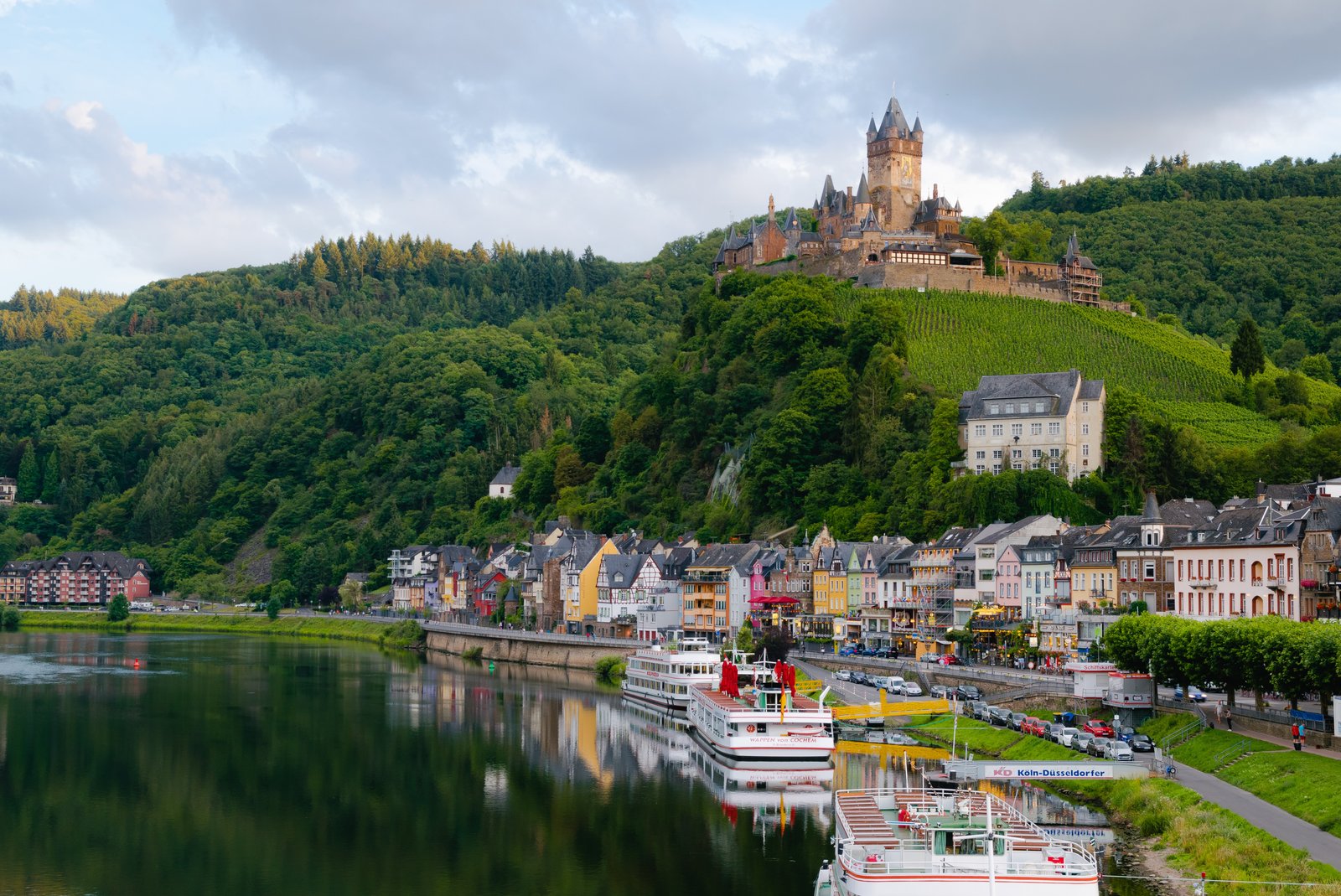
Germany offers scale and infrastructure. Berlin alone can absorb five days without repetition — Cold War history, world-class museums, a food scene that's moved well beyond sausages. Munich gives you Bavaria, the Alps as a day trip backdrop, and a city that runs with unusual precision. The Rhine Valley and Heidelberg add a classic European postcard layer if you have the time. Poland offers something different: a country that was largely rebuilt after near-total destruction, with a medieval core in Kraków that feels genuinely intact, a Warsaw that tells one of Europe's most difficult modern histories honestly, and a cost level that stretches your trip further than Germany does. Both are well-connected from Gulf airports. Both require a Schengen visa for the majority of Gulf residents. And both can be combined on a single two-week itinerary without the visa becoming any more complicated than a single-country trip — because Schengen is Schengen.
Applying for a Schengen Visa as a Gulf Resident: What Changes
Most Gulf-based travelers applying for a Schengen visa are doing so as third-country nationals — meaning your country of residence is not the same as your passport country. That distinction matters. Schengen embassies assess your application partly based on your ties to your country of residence. A Saudi Aramco contract, a Qatar Foundation ID, a UAE work visa — these carry weight in the application, but they also add documentation requirements that wouldn't apply if you were applying from your home country. The rule for which embassy you apply through is straightforward in principle: you apply through the consulate of the country where you'll spend the most nights. If your trip is seven nights Germany and two nights Poland, you apply to the German consulate. If it's split evenly, the country of first entry usually applies. Processing times vary by consulate in Riyadh, Jeddah, Dammam, Dubai, Doha, and other Gulf cities — and they don't always match what the embassy website states. Plan eight to twelve weeks ahead if your departure date is firm. Visa rules change. We confirm current requirements for your nationality and residency status before you commit to anything.
What Our Package Covers
A Khobraa package for Germany, Poland, or a combined itinerary covers the full trip from Gulf departure — including visa support documentation, hotels in city-centre locations, intercity travel between destinations, and English-speaking guides for the main sightseeing days.
- Schengen visa support: document checklist, cover letter, and pre-submission review for your nationality and Gulf residency
- Return flights coordination from your Gulf departure city (RUH, JED, DMM, DXB, DOH, KWI, BAH, MCT)
- City-centre hotels selected for location and consistent quality across both countries
- Intercity travel between German cities or Poland's main cities — including cross-border if combining both
- English-speaking guided days covering the main historical and cultural sites
- Full itinerary with day-by-day scheduling so there's no improvising on arrival
- Single point of contact in Arabic and English throughout, same time zone
Why Book This Instead of Arranging It Yourself
Schengen paperwork done correctly: A rejected Schengen application affects your record for future applications. Getting the documentation right the first time — particularly for Gulf residents with complex residency situations — is not something worth cutting corners on.
Combining countries without the headache: A Germany-and-Poland itinerary involves intercity flights or trains, booking across two different hotel markets, and understanding which consulate to apply through. That's the kind of logistics that eats a weekend if you're doing it yourself.
School-holiday group departures: For expat families in Saudi Arabia or the UAE, we run group departures timed to international school breaks — with family-sized rooming, pacing that works for children, and guides accustomed to mixed-age groups.
Local payment, local accountability: You pay in Saudi riyals or UAE dirhams, deal with a company based in the Gulf, and have legal recourse here — not in a foreign booking platform's terms and conditions.
Best Time to Go
Late April through early June is the most reliable window for both Germany and Poland. Temperatures are genuinely pleasant — mid-teens to low twenties Celsius — crowds haven't peaked, and daylight hours are long enough that you're not rushing to fit everything into a short afternoon. Kraków's old town and Berlin's outdoor spaces are at their best in May. This window also aligns with some international school spring half-terms in Saudi Arabia and the Gulf, which makes it one of the most requested departure periods we see.
September and early October is a strong second choice, particularly for Germany. Autumn light suits Munich's architecture and the Bavarian countryside well, and you avoid the summer tourist peak. Kraków in early autumn is quieter than it looks on most travel content. One thing to plan around: late September in Munich means Oktoberfest, which fills hotels across the city two to three months in advance and significantly affects pricing. If that's the draw, build around it deliberately. If it isn't, avoid the last week of September and first week of October for Munich specifically and consider starting with Berlin or Poland instead.
Practical Notes for Gulf Residents
Visa and residency: Schengen visa requirements depend on your passport nationality AND your Gulf country of residence — not just one or the other. Gulf residents with non-EU passports typically apply through the embassy of the main destination country in their city of residence.
Which consulate to use: If you're splitting time between Germany and Poland, apply through whichever country gets the majority of your nights. If equal, the country of first entry is standard — but confirm this directly, as individual consulate guidance can vary.
On-the-ground costs: Poland uses the Polish zloty, not the euro — and the difference is noticeable. Meals, local transport, and entrance fees in Kraków and Warsaw typically run meaningfully lower than equivalent experiences in Berlin or Munich.
Flight connections from the Gulf: Major Gulf airports (RUH, JED, DXB, DOH, DMM, KWI, BAH, MCT) all have connections to Frankfurt, Berlin, or Warsaw. Journey time from most Gulf cities is roughly six to nine hours depending on your departure point and routing.
Currency and payments: Germany is overwhelmingly card-friendly. Poland is mostly card-friendly in cities but keep a small amount of local cash for smaller towns, rural day trips, and market stalls in Kraków's Cloth Hall.
Entry requirements beyond Schengen: Schengen covers entry into both Germany and Poland. There are no additional entry permits required at the internal border. If your itinerary includes a stop outside Schengen — such as passing through the UK — that requires separate planning.
Germany vs Poland: The Gulf Traveler's Schengen Decision: Common Questions From Gulf Residents
Germany and Poland are two trips with real differences in cost, atmosphere, and what you bring home from them. Getting the Schengen application right — as a Gulf resident with a passport that isn't EU, applying from a country that isn't your own — is where things go wrong for people who try to handle it without local support. We've run this process for Gulf travelers across nationalities and residency situations. If you're deciding between the two, or considering combining both, reach out on WhatsApp and we'll give you a straight read on which itinerary suits your dates, your passport, and your Gulf residency status.