This page helps Gulf-based travelers choose between two distinct cultural destinations: Georgia in the South Caucasus and Uzbekistan in Central Asia. Both work as 7 to 10-day trips from Riyadh, Jeddah, or other Gulf departure airports. Both involve a visa process that behaves differently depending on your passport nationality and your Saudi residency status. The comparison covers what you actually see on the ground, visa entry realities, the best months to travel, and how our packages handle the planning from first enquiry to departure.
- Side-by-side comparison of flight time, visa ease, and in-trip logistics from Gulf airports
- What each country actually delivers on the ground — culture, landscape, and cities worth visiting
- Visa realities for Gulf residents: how your passport and residency status affects entry to each country
- Best travel months for Georgia and Uzbekistan, with the seasons to avoid
- What our packages cover for each trip, end-to-end
Overview: Two Different Kinds of Cultural Trip
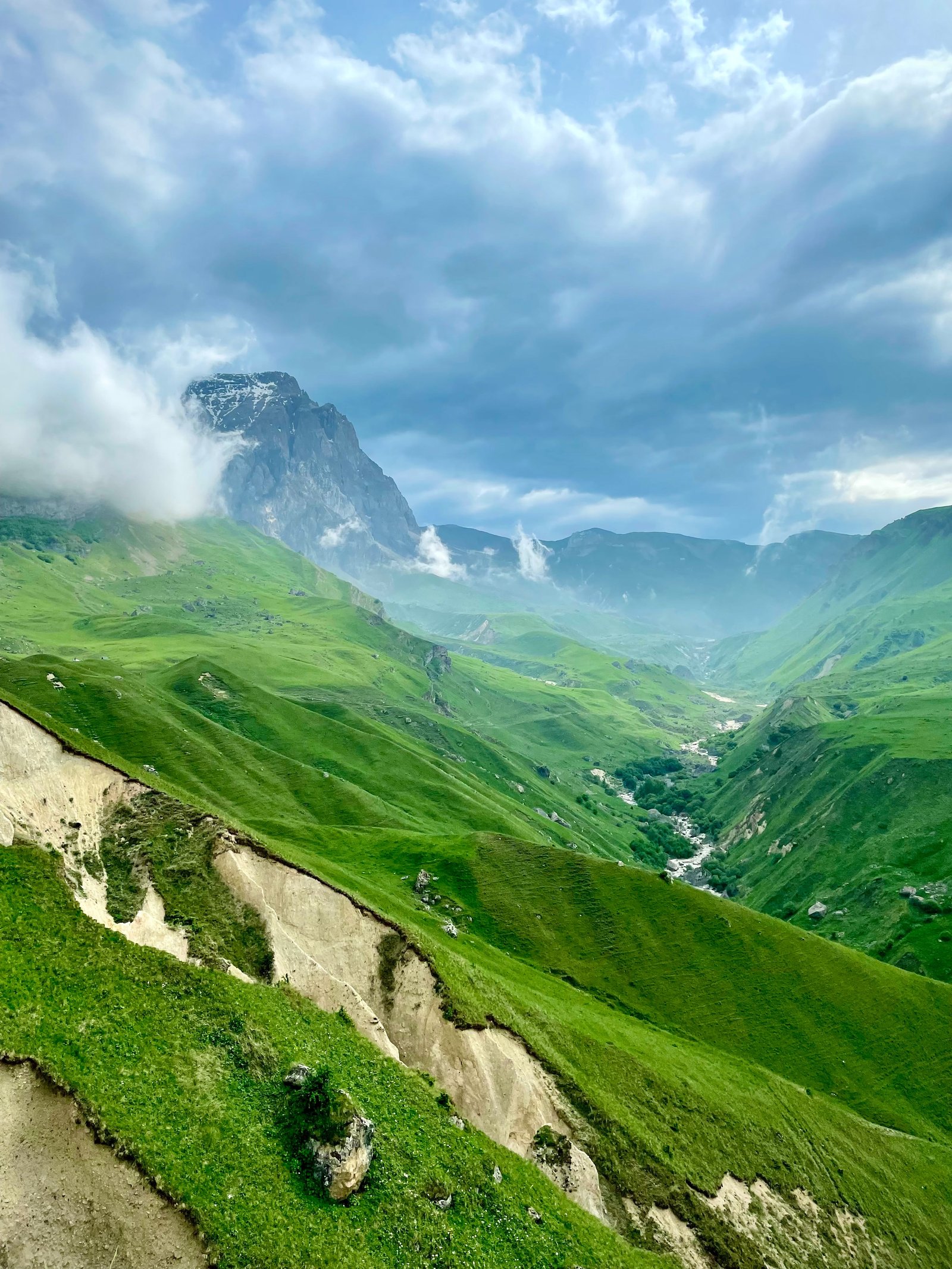
Georgia sits at the edge of Europe and Asia. The Caucasus Mountains run across the north, ancient wine regions spread east into Kakheti, and the capital Tbilisi stacks medieval churches and balconied old-town houses above the Mtkvari River. For most Western passport holders, entry requires no visa at all. Infrastructure is solid, the country is compact, and the travel rhythm is flexible. It has become a relatively well-trodden destination for Gulf expats in the last five years. Uzbekistan is different in register. Samarkand, Bukhara, and Khiva are the Silk Road cities — taught in history books and photographed in architecture publications. The scale of Registan square, the tilework on the Shah-i-Zinda necropolis, the warren of the Chorsu bazaar in Tashkent: these read as genuinely historic in a way that few destinations can match. Tourism infrastructure has improved significantly since 2019. It still requires more planning than Georgia, and the visa picture is more variable. Roughly: Georgia is the easier first trip. Uzbekistan is the more singular experience.
What Actually Separates These Two Trips for Gulf-Based Travelers
The comparison looks clean on paper: two post-Soviet countries, both with strong cultural heritage, both reachable in under 5 hours from the Gulf. The practical differences matter more than the surface similarities. Georgia has visa-free access for most Western passports — British, EU, American, Canadian, Australian — for stays up to one year. No advance paperwork, no processing risk, no waiting. If you hold one of these passports and live in Saudi Arabia, Georgia is about as low-friction as a foreign trip gets. Uzbekistan has an e-visa for most of the same nationalities, typically processed within a few business days. It is still a step you have to get right before you travel, and applying from Saudi Arabia as a third-country national has specific document requirements that differ from applying from your home country. For Gulf nationals — Saudi, Emirati, Qatari, Kuwaiti — the picture shifts again. Some GCC passports have visa-free access to Uzbekistan; others require an e-visa. Georgia typically accepts Gulf passport holders without a visa for shorter stays, but the precise conditions vary. The entry requirement depends on your passport nationality AND your residency situation, not just where you are currently based. Visa rules change. We confirm current requirements for your nationality and residency status before you commit to anything. A second practical gap: a proper Uzbekistan trip moves across three to four cities — Tashkent, Samarkand, Bukhara, Khiva — across significant distances. Georgia can be structured far more loosely from a single base in Tbilisi. Neither is difficult with the right planning, but Uzbekistan genuinely benefits from an operator who has done the routing before.
What Our Package Covers
Our packages for both Georgia and Uzbekistan are built for Gulf residents: planned and confirmed in English, managed on Saudi time from first enquiry to final return, with the visa complexity handled before anything is booked. Here is what is covered for either trip.
- Flights coordination from your Gulf departure airport (RUH, JED, DMM, DXB, DOH, or other)
- Hotel booking and accommodation sequencing across all cities on the itinerary
- In-country transfers and intercity transport, including train tickets where relevant (Uzbekistan)
- English-speaking local guide for key historical sites
- Visa support: document checklist, application review, and submission guidance for your specific passport and residency status
- 24-hour WhatsApp contact on Saudi time throughout the trip
Why Book This Instead of Arranging It Yourself
Third-country visa complexity: Applying for Uzbekistan's e-visa from Saudi Arabia, with a non-Uzbek passport, has specific document requirements that differ from applying from your passport country. A wrong or incomplete submission can result in rejection without a clear reason. We review your paperwork before you submit.
Uzbekistan routing that works: The Tashkent–Samarkand–Bukhara–Khiva sequence covers significant ground and needs a specific order to avoid backtracking. High-speed rail handles some legs efficiently; Khiva requires separate ground transport. Our itinerary is built from actual trips, not assembled from a template.
English-first service, local accountability: Every booking, confirmation, and in-trip contact is handled in English. For Georgia, we use locally sourced English-speaking guides. For Uzbekistan, we use licensed guides who work regularly with international travelers. Payment is in Saudi riyals, settled before departure — no foreign transfers, no currency risk.
One point of contact for the whole trip: Whether you are asking about Tbilisi in October or Samarkand in April, the same team handles flights, hotels, transfers, and any changes on the ground. For Gulf residents comparing two unfamiliar destinations, that reduces the planning time considerably.
Best Time to Go
Georgia: April to June is the strongest window. Tbilisi is warm without being oppressive, the Caucasus mountain roads are open, and the Kakheti wine region is at its most photogenic. September and October work nearly as well — harvest season in the vineyards, still comfortably warm, and noticeably fewer tourists than summer. July and August in Tbilisi itself run hot and crowded; not impossible, but not ideal. Winter travel is viable if Gudauri ski resort is part of the plan — but that is a different type of trip.
Uzbekistan: March to May and September to November are the windows to target. Summers in the desert cities are extreme — temperatures above 40°C are routine in July and August, and the exposed squares of Samarkand and Khiva become genuinely uncomfortable to walk at midday. Spring and autumn keep daytime temperatures in the 20–30°C range that suits a walking, sightseeing itinerary. If you are planning a spring trip, check the Ramadan calendar for your travel dates — restaurants and café culture shift noticeably during fasting hours, though historical sites remain open and are often quieter.
Practical Notes for Gulf Residents
Visa — Georgia: Most Western passport holders enter without a visa for stays up to one year. Some nationalities require a visa on arrival or in advance. Entry conditions depend on your passport nationality, not your Saudi residency status — but your residency documents may be checked. Confirm your specific situation before booking, particularly if your passport is from South Asia, Southeast Asia, or Africa.
Visa — Uzbekistan: An e-visa is available for most Western nationalities, typically processed in 3 to 5 business days. Some nationalities are visa-free. Processing times and document requirements can shift; applying from Saudi Arabia as a third-country national may require additional supporting documents compared to applying from your passport country. Visa rules change. We confirm current requirements for your nationality and residency status before you commit to anything.
Flights from Gulf airports: Georgia is roughly 3 to 4 hours from Riyadh (RUH) and Jeddah (JED). Uzbekistan is 4 to 5 hours from the same points, depending on routing. Both are reachable in a single connection from most Gulf departure airports including DMM, DXB, DOH, KWI, BAH, and MCT.
Internal travel — Uzbekistan: High-speed rail connects Tashkent to Samarkand (approximately 2 hours) and continues to Bukhara. Khiva is a separate leg requiring ground transport from Bukhara, adding half a day of travel. Build at least 2 nights per city into your itinerary — rushing the Registan or the old city of Bukhara is a waste of a trip.
Currency and payments: Georgia uses the Georgian lari; Uzbekistan uses the Uzbekistani som. Card acceptance is improving in both countries but is not universal, particularly for smaller vendors, local bazaars, and regional transport. Carrying local cash for day-to-day spending is practical in both destinations.
Georgia vs Uzbekistan from Saudi Arabia: Which Cultural Trip to Book: Common Questions From Gulf Residents
Georgia and Uzbekistan appeal to the same type of traveler: someone who wants cultural weight, something outside the European mainstream, and a destination that has not been photographed from every angle. Georgia delivers it with less friction and more flexibility. Uzbekistan delivers it with more singularity — Samarkand and Bukhara are genuinely unlike most things Gulf expats have seen. Neither trip requires expertise to enjoy, but both benefit from planning done by someone who knows the entry requirements for your specific passport and residency situation. If you know which one you want — or if you are still deciding — the conversation starts on WhatsApp.