This page is a planning comparison for Gulf-based families choosing between Switzerland and Austria — or considering both in one trip. It covers what each country actually delivers for families, the cost gap between them, Schengen visa logistics from Gulf countries, seasonal timing aligned with international school holidays, and how a combined itinerary works in practice. We work with families departing from Riyadh, Jeddah, Dammam, Dubai, Doha, Kuwait City, Bahrain, and Muscat — and we handle the planning so the trip runs smoothly on the ground.
- What Switzerland and Austria each do well for families
- The real cost difference and what it means for a 10-day trip
- Schengen visa logistics from Gulf countries of residence
- Best travel windows aligned with Gulf international school holidays
- How a combined Switzerland–Austria itinerary actually works
Switzerland vs Austria: What Each Country Actually Offers
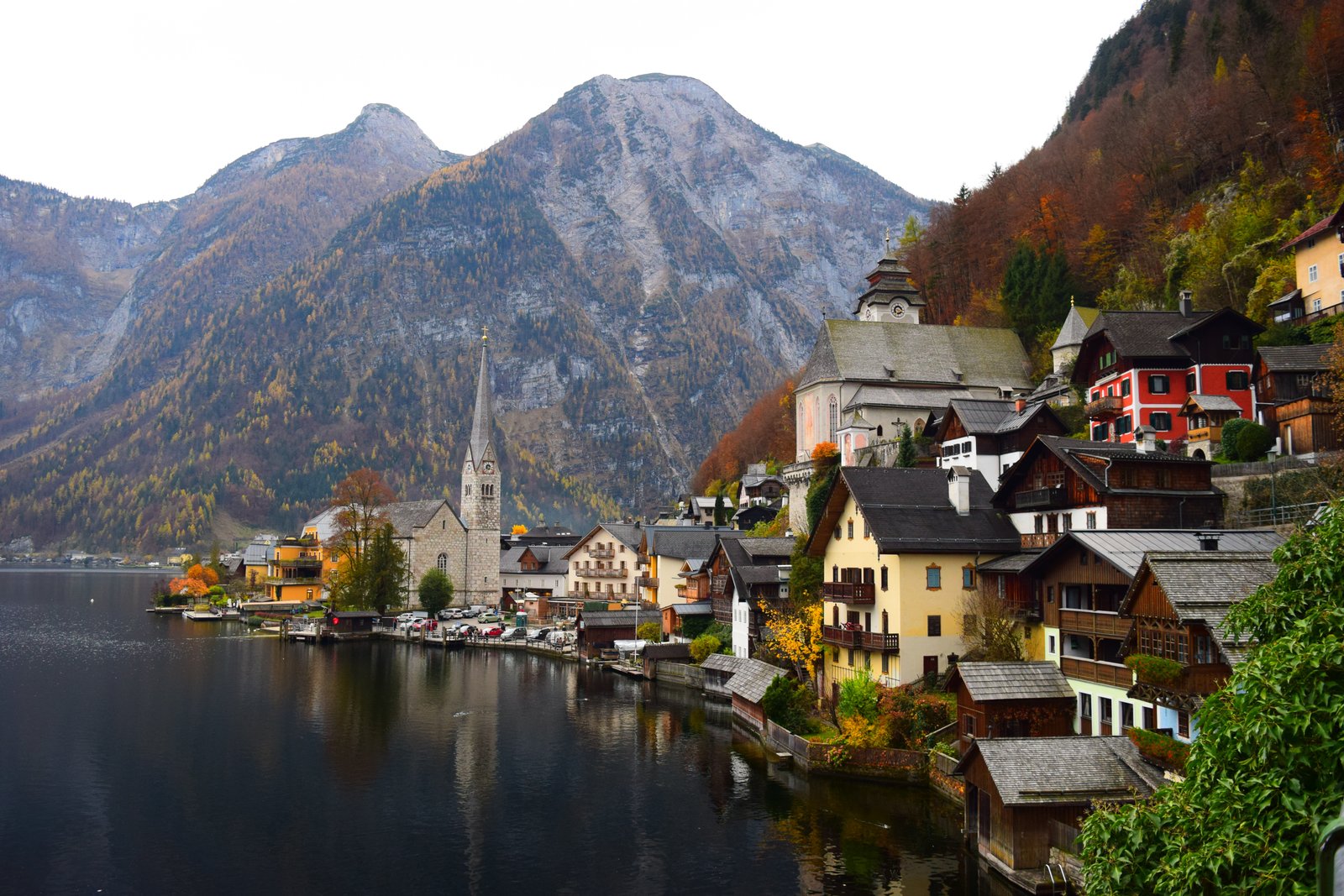
Switzerland and Austria are both Schengen, both Alpine, and both accessible from Gulf airports with one or two connections. The similarities end there. Switzerland's main draw is the scenery and the outdoor infrastructure built around it. The area around Lucerne, Interlaken, and the Bernese Oberland — the Jungfraujoch rail, boat trips on Lake Lucerne, cable cars above Grindelwald — is genuinely difficult to replicate elsewhere. Swiss organization means trains run, connections work, and even remote mountain stations operate reliably. The price is high: Switzerland is one of the more expensive countries in Europe by any measure. Austria offers Vienna, which is among the best city-break destinations on the continent. Imperial palaces, world-class museums, parks large enough for children to run in, and a food culture that functions well across different dietary requirements. Salzburg adds a compact Baroque old town, easy day-trip access to Hallstatt, and mountains that are less extreme than Switzerland's but easier to manage with younger children. Austria is meaningfully cheaper than Switzerland — not cheap, but the difference is significant for a family of four over a week.
Why the Switzerland vs Austria Decision Comes Down to More Than Scenery
The practical question most Gulf families face is not which country is more beautiful — both are — but which one fits a 9 to 12-day school-holiday trip when you're coordinating flights from the Gulf, a Schengen visa, and the preferences of children at different ages. Austria is generally easier to plan around. Vienna gives you a proper city base: you land, settle into one hotel, and can run full days of activity without moving accommodation every two nights. The Schönbrunn Palace and its zoo, the Natural History Museum, and Prater park all work well for mixed-age family groups. Salzburg adds a different texture — smaller, walkable, with an old town that holds children's attention without forcing them to walk excessive distances. The Hallstatt day trip from Salzburg is scenic and manageable. Switzerland rewards families who want the mountain experience as the centrepiece. The Jungfraujoch — the highest railway station in Europe at 3,454 metres — is a genuine landmark. Interlaken works as a base for multiple day trips: Grindelwald, Lauterbrunnen, Lake Thun. Lucerne is a usable city with a well-preserved old town and strong lake access. The infrastructure is very reliable. The Schengen visa covers both countries under one application. You apply at the consulate of the country where you spend the majority of your nights, or the first entry country if nights are equal. Applications are submitted from your Gulf country of residence. Requirements depend on your passport nationality and your Gulf residency status — not just one or the other. Visa rules change. We confirm current requirements for your nationality and residency status before you commit to anything.
What Our Package Covers
Our Alpine Europe package covers Switzerland, Austria, or a combined itinerary — built around your departure airport, your international school holiday dates, and the balance your family wants between outdoor activities and city sightseeing. We coordinate the full trip from your Gulf base.
- Schengen visa document checklist and guidance specific to your passport nationality and Gulf residency status
- Hotel selection in Zurich, Lucerne, Interlaken, Vienna, or Salzburg based on your confirmed itinerary
- All inter-city transfers and access logistics (Jungfraujoch rail, Hallstatt day trip, cross-border transfer)
- English-speaking guide support for key sightseeing days
- Flights coordination from your Gulf departure airport (RUH, JED, DMM, DXB, DOH, KWI, BAH, MCT)
- Itinerary sequenced around Gulf international school holiday dates
- WhatsApp contact with our Riyadh-based team throughout the trip
Why Book This Instead of Arranging It Yourself
Schengen from Gulf residency: Gulf residents applying for Schengen face rules that vary by passport nationality, employer type, and residency duration. We know which consulates process applications from Saudi Arabia, Qatar, Kuwait, Bahrain, Oman, and the UAE, and what documentation consistently gets approved.
Two-country itinerary coordination: Combining Switzerland and Austria in one trip requires careful sequencing of flights, cross-border transfers, and accommodation to avoid excessive backtracking. We've structured this routing many times and know where it tends to break down when arranged without prior experience.
School calendar alignment: Our departures are planned around Gulf international school holiday windows — February half-term, spring break, summer, and October — so families aren't building a 10-day itinerary from scratch under time pressure.
Local base, local hours: Payments in Saudi riyals, calls answered during Gulf business hours, and a local company with direct accountability if anything goes wrong on the ground.
Best Time to Go
June through August covers the main Gulf summer school holiday period and is a reliable window for both countries. Switzerland is at its operational peak: cable cars and mountain railways run full schedules, outdoor activities in the Interlaken and Lucerne areas are fully open, and the days are long. Austria in summer is warm and active — Vienna's parks are in full use, Salzburg's old town is walkable in good weather, and the Salzburg Festival (late July through August) adds live performances to the city, though tickets for major events require advance booking. The trade-off is that both countries are at peak tourist density in July and August. Hallstatt is particularly crowded; the Jungfraujoch gets busy by mid-morning. Book accommodation two to three months ahead for summer travel.
October half-term is a strong secondary option, especially for families who prefer smaller crowds and marginally lower prices. Both countries offer autumn foliage and mild daytime temperatures. Vienna and Salzburg in October are comfortable for city walking. Switzerland's higher mountain zones get cold earlier — Grindelwald in October can be properly cold, and some cable cars begin their off-season schedules. Families with younger children who don't want to manage cold mountain conditions often find an October Austria-only trip more practical than attempting the full Swiss mountain circuit. December and January open winter sports, but that is a different itinerary structure entirely.
Practical Notes for Gulf Residents
Schengen visa: Both Switzerland and Austria fall within the Schengen Area. One Schengen visa covers both. Your application goes to the consulate of your primary destination country — or first entry country if nights are split equally. Applications must be submitted in person at the consulate in your Gulf country of residence. Requirements differ by passport nationality and residency type. Visa rules change. We confirm current requirements for your nationality and residency status before you commit to anything.
Departure airports: Connections to Zurich (ZRH), Vienna (VIE), and Geneva (GVA) are available from most Gulf airports — RUH, JED, DMM, DXB, DOH, KWI, BAH, and MCT — typically with one connection and total travel times of 7–10 hours depending on routing.
Combined itinerary routing: The most efficient combined trip flies into Zurich, completes the Swiss leg (Lucerne and Interlaken), then transfers to Salzburg or Vienna by train and flies home from Vienna. This avoids backtracking and works cleanly as a 10–12 day itinerary.
Currency: Switzerland uses the Swiss franc (CHF); Austria uses the euro. A combined trip requires both, or a card that handles international transactions without per-use fees.
Halal food: Zurich, Geneva, Vienna, and Salzburg all have halal-certified restaurants in central tourist areas. Swiss mountain resorts — Interlaken, Grindelwald — have fewer options. If halal certification is a requirement rather than a preference, this is worth planning for rather than assuming availability.
Switzerland vs Austria for Gulf Families: A Practical Guide: Common Questions From Gulf Residents
Switzerland and Austria are two of the more reliably rewarding European destinations for Gulf families — well-structured, accessible within school holiday windows, and different enough from each other that some families find the combined trip worth the additional coordination. The Schengen process is manageable when approached correctly. The itinerary works when the routing is sequenced well rather than assembled from separate bookings. The difference between a straightforward trip and a stressful one usually sits in that planning stage. Message us on WhatsApp from anywhere in the Gulf — Riyadh, Jeddah, Dubai, Doha, or Kuwait. We'll give you a clear picture of which option fits your family and what the visa process looks like from your specific country of residency.